ServicesTrailer Interchange Insurance
Trailer Interchange Insurance in Austell
When you pull a trailer or chassis that belongs to someone else under a written interchange agreement, you are on the hook if it gets damaged. We help motor carriers and owner-operators around Austell put the right coverage on those trailers and understand what happens when a claim comes up.
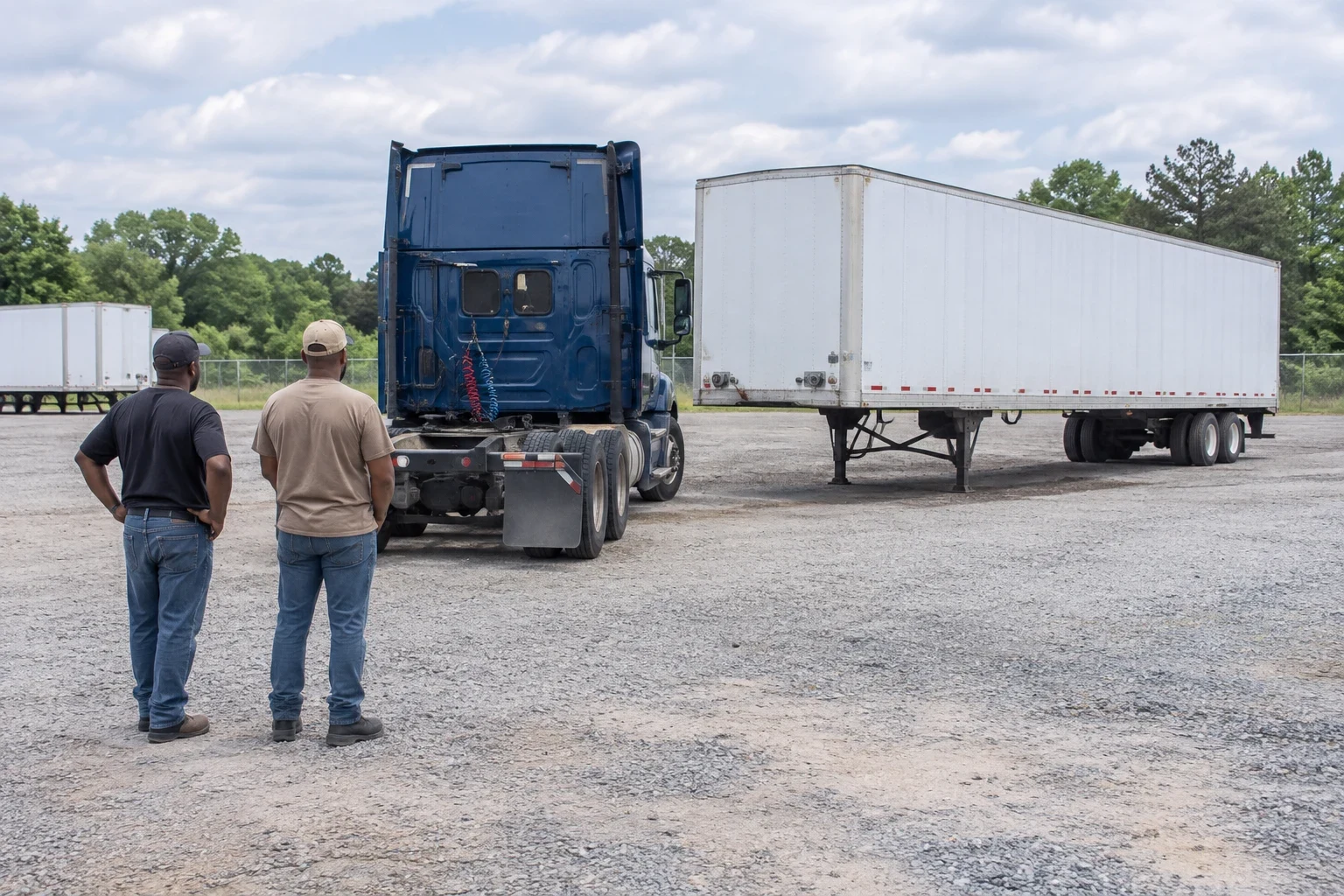
What trailer interchange coverage does
Trailer interchange insurance pays for physical damage to a trailer you do not own while it is in your care under a written agreement. Think of an intermodal chassis picked up at a rail ramp, a container chassis from a port, or a trailer you swap with another carrier to finish a load. If that equipment is hit, burned or stolen while it is hooked to your truck or parked at your yard, the owner will look to you to pay for it.
Your primary auto liability policy does not cover damage to equipment in your own care, and your physical damage policy usually covers only units listed on it. Trailer interchange fills that gap. Most interchange agreements spell out a minimum limit, and many shippers and railroads will not release equipment until they have a certificate of insurance showing it.
We are licensed for property and casualty insurance, so we can quote this coverage alongside the rest of your policies and check that the pieces line up. We also spend time on the part most carriers worry about: what to do and what to document if a borrowed trailer comes back damaged.
What we help you set up
A limit that matches your agreement
We read the interchange agreement with you and set the limit to meet what it requires. If you pull different kinds of equipment, we size it for the most valuable trailer you are likely to hook.
Certificates for equipment providers
We help get certificates of insurance to the parties that ask for them, with the coverage shown the way their agreement describes it. Missing or wrong certificates are a common reason a driver gets turned away at the gate.
Deductible choices explained
A higher deductible lowers the premium but means more out of your pocket every time a trailer is damaged. We walk through how often you hook other people's equipment so you can pick a number you can live with.
How it fits your other policies
We look at your physical damage, motor truck cargo and liability coverage together. That way you know which policy answers for the trailer, which for the load inside it, and which for someone else's vehicle.
Claim guidance before you need it
We explain up front how a trailer damage claim works, what photos and paperwork help, and who you will be dealing with. You are not learning the process for the first time at a rail yard.
Signs your operation needs this coverage
You signed an interchange agreement
If you have signed a UIIA or any written equipment interchange agreement, you almost certainly need this coverage at the limit it names.
You haul containers on borrowed chassis
Drayage and intermodal work usually means pulling chassis that belong to a railroad, steamship line or pool. Damage to that chassis is your responsibility while you have it.
You trade trailers with other carriers
Swapping trailers to cover a load or relay freight puts someone else's equipment behind your truck. A handshake swap may need different coverage, so ask us.
A provider asked for a certificate
When a shipper or equipment owner asks for proof of trailer interchange coverage before releasing a trailer, that request is your cue.
You are adding intermodal or port work
New lanes often come with new equipment rules. Checking coverage before the first pickup is easier than sorting it out after.
How getting covered works
- 1
A conversation by phone or video
We ask about your trucks, the equipment you pull, who owns it and how often. Have your DOT number, MC authority and any interchange agreements nearby.
- 2
We review the agreement terms
We look at required limits, how the agreement assigns responsibility and what the certificate must show. If something is unclear, we tell you plainly.
- 3
You get a quote you can follow
We lay out the limit, deductible and premium, and explain what is and is not covered in everyday words. You decide with the full picture in front of you.
- 4
Coverage, certificates and next steps
Once you choose, we handle the certificates you need and give you a short list of what to do if a trailer is damaged: photograph it at pickup and drop, note damage on the interchange receipt, and report any incident promptly.
What moves the premium
Trailer interchange pricing depends mostly on how much equipment you could be responsible for and how often. We explain each piece so the quote makes sense before you agree to it.
- Limit required
- A higher limit to cover more valuable trailers, such as refrigerated units, costs more than a basic chassis limit.
- Type and value of equipment
- Dry vans, flatbeds, reefers and container chassis carry different values and repair costs.
- Your loss history
- Past trailer damage losses affect pricing. A clean record, or a newer authority with no history, is weighed differently by each carrier.
- Deductible and radius
- Your chosen deductible and how far you run, from local drayage to regional lanes, both shape the premium.
Trailer interchange questions we hear
Something not covered here? (770) 405-1970
How is this different from non-owned trailer coverage?
Trailer interchange applies when there is a written interchange agreement. Non-owned trailer physical damage is often used when you pull someone else's trailer without one. Some carriers need both, and we will tell you which fits your operation.
Doesn't my liability policy cover a trailer I'm pulling?
Usually not. Primary auto liability pays for damage you cause to other people's property, but equipment in your own care is typically excluded. That is the gap trailer interchange is built to cover.
I only pull my own trailer. Do I need this?
Probably not. Your own trailer belongs on your physical damage policy. If you start taking intermodal loads or swapping trailers, call us before that first load.
What should I do if a borrowed trailer gets damaged?
Make sure everyone is safe, then take clear photos from every side, including close-ups of the damage and the unit number. Note it on the interchange paperwork, keep any repair estimates, and report it to us promptly. We explain the claim steps and what the adjuster will look for, though the adjuster makes the coverage decision.
Will the trailer owner accept my certificate?
They will if it shows the coverage and limit their agreement asks for. We check those details before sending it so your driver is not held up at pickup.
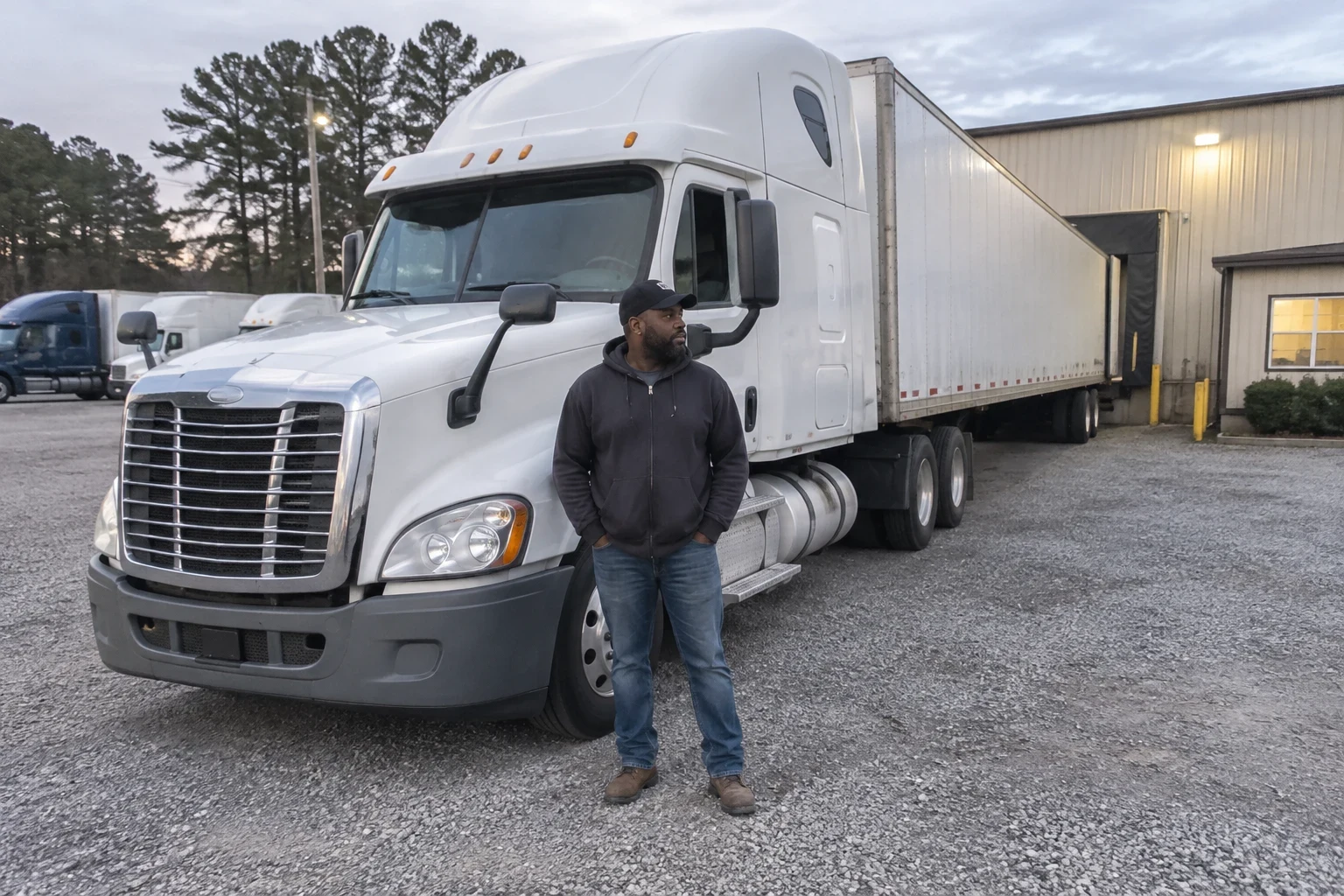
Ready before your next interchange pickup
Bring your agreement and a list of the equipment you pull. We will go over the limit you need, what the coverage does, and what to expect if you ever file a claim.