ServicesCommercial Trucking Insurance
Commercial Trucking Insurance in Austell, GA
We put together commercial trucking insurance for owner-operators, small fleets and new motor carriers. We match liability, physical damage and cargo coverage to the freight you actually haul. When something goes wrong on the road, we help you document it and explain each step of the claim in plain terms.
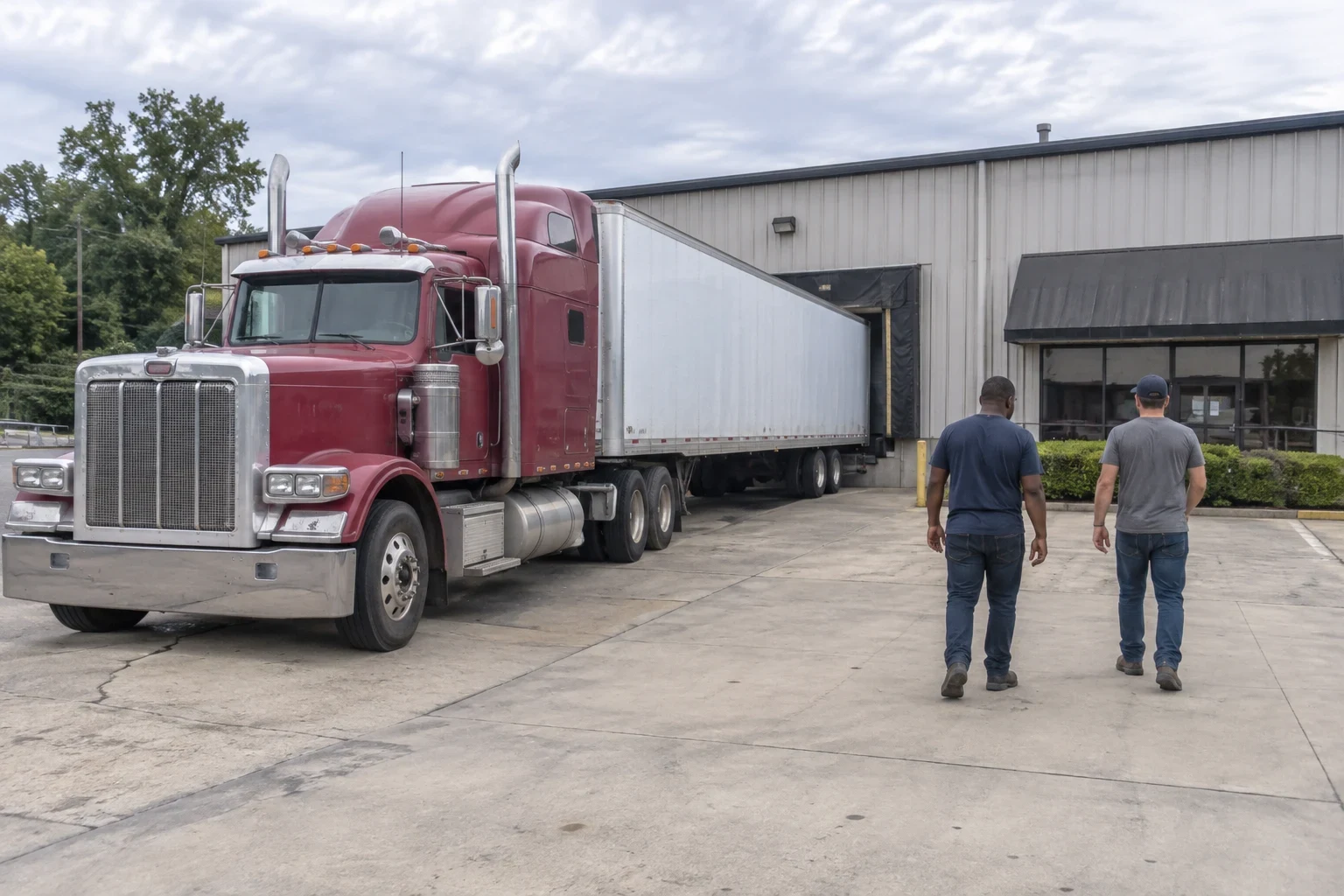
What a commercial trucking policy covers, and who needs one
Commercial trucking insurance is the set of coverages that keeps your trucks legal and your business standing after a loss. Most policies start with primary auto liability, which your MC authority requires. Then come physical damage for the truck and trailer and motor truck cargo for the freight. Depending on how you run, bobtail or trailer interchange may belong in the mix too.
It is the right call if you run under your own DOT number, lease on to a carrier that requires certain coverage, or have outgrown a policy written for a different kind of hauling. We are licensed for property and casualty insurance, and we meet with you at our office or by phone and video to sort out which pieces your operation needs and which ones it does not.
We also stay with you after the policy is written. If a truck is damaged or a load is lost, we help you gather photos, reports and paperwork, and we explain what the insurance company will ask for. The adjuster makes the payment decision. Our job is making sure you understand the process and are not caught off guard.
What we handle on a commercial trucking policy
- A coverage review based on your freight
- We ask what you haul, how far, and who you haul for. Running general freight around metro Atlanta looks very different from running reefer loads across several states, and the policy should reflect that.
- Federal and state filings
- Once coverage is bound, the insurance company submits the filings tied to your DOT number and MC authority. We follow up to confirm they posted so your authority does not stall.
- Certificates of insurance
- Brokers and shippers want a certificate of insurance before they release a load. We issue them and add certificate holders when a contract calls for it.
- A plain-language policy walk-through
- Before you sign, we go over limits, deductibles, exclusions and any radius or commodity restrictions. You should know what is not covered as clearly as what is.
- Help after a loss
- After an accident or damaged load, we tell you what to photograph, which reports to request and what the adjuster usually asks for first. We help you put it together, and the payment decision stays with the adjuster.
- Changes during the policy term
- Adding a truck, dropping a driver or picking up a new type of load all change your policy. We make the change and explain how it affects your premium.
Signs it is time to look at your trucking coverage
You are getting your own authority
A new MC authority cannot go active until the liability filing is on record. Starting the insurance conversation early keeps your launch date realistic. Our New Authority Truck Insurance page covers that path in more detail.
A broker turned down your certificate
If a broker says your cargo limit is too low or a coverage is missing, that load is gone, and the next one may be too.
You changed what you haul
Moving from dry van to flatbed, adding hazmat or picking up dump work can fall outside the commodity list on your current policy.
Your renewal jumped with no explanation
Premium changes have reasons, such as a recent loss, a new driver, a rate change from the insurance company or a wider radius. You deserve to hear them.
You are unsure what happens after an accident
If you could not say today who to call, what to photograph or which paperwork to keep, it is worth sorting out before you need it.
How getting covered works with us
- 1
A first conversation
You reach us by phone, and we talk there or set up a video call or office visit. We ask about your trucks, drivers, freight, routes and any past losses.
- 2
Gathering your details
We collect VINs, driver license details, your DOT number and loss runs from your prior insurer if you have them. Complete information up front means fewer surprises in the quote.
- 3
Quotes side by side
We shop the coverage and walk you through the options together, including what each one leaves out.
- 4
Binding, filings and certificates
Once you choose, we bind coverage, confirm the filings and send certificates to the brokers or carriers you work with.
- 5
Support through the year
When you add a truck or have a loss, you reach the same office. If equipment or freight is damaged, we help you document it, explain each step and stay honest about what the policy is likely to cover.
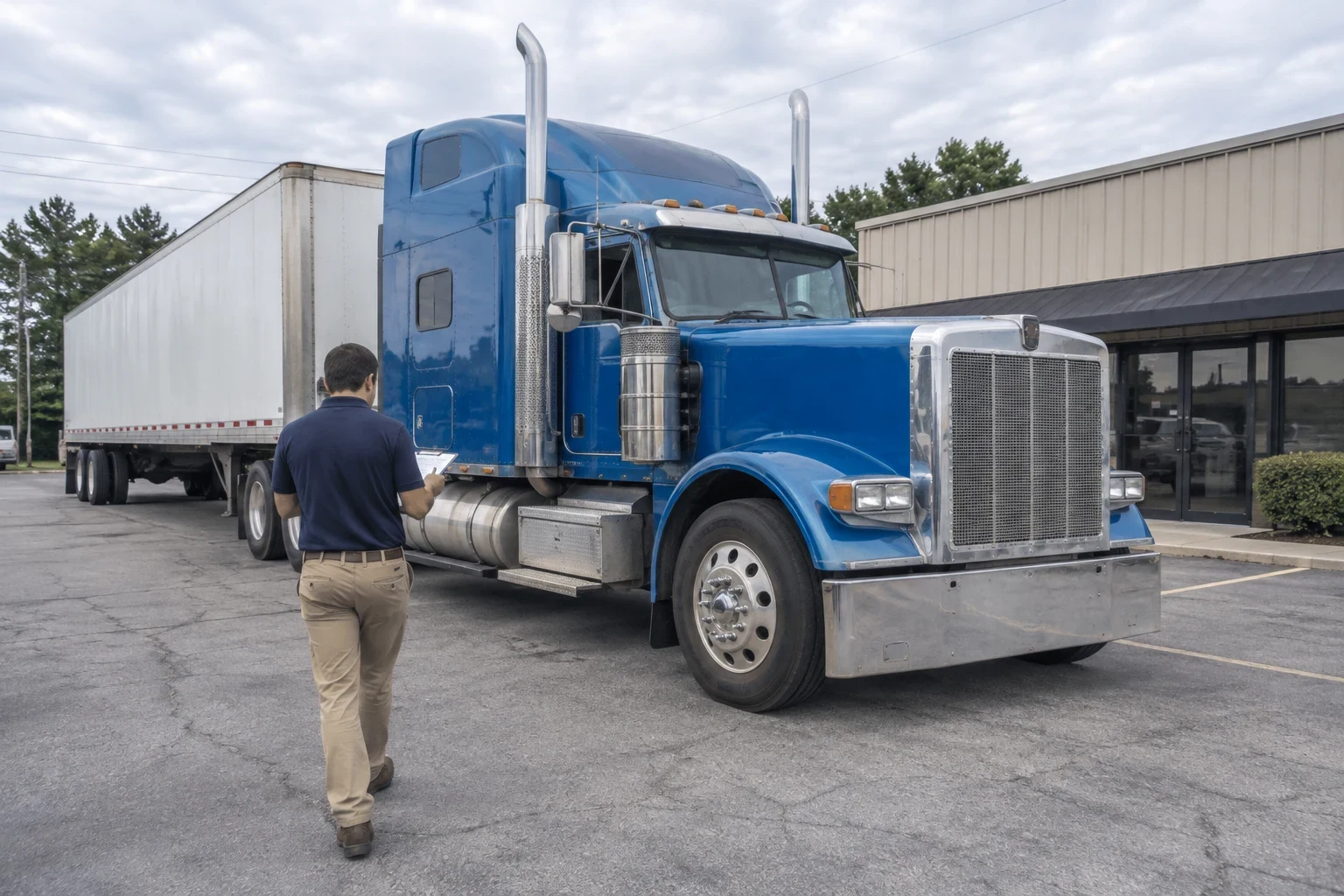
What moves the price of a trucking policy
Trucking premiums vary widely from one operation to the next, so we do not put a number on it until we know yours. These are the factors that tend to matter most. We explain how each one shapes your quote when we go over it together.
- Driver records and experience
- Years of CDL experience and any violations or accidents on driver records weigh heavily. Newer drivers usually cost more to insure.
- Freight and operating radius
- What you haul and how far you go both matter. Higher-value or higher-risk cargo and long-haul miles raise the exposure.
- Truck and trailer values
- Physical damage premiums follow the stated value of your equipment, along with the deductible you choose.
- Authority age and loss history
- A brand-new authority has no track record yet, and past accidents or cargo losses show up on loss runs. Both shape what insurance companies are willing to offer.
- Limits and added coverages
- Higher liability limits, larger cargo limits and options like trailer interchange or bobtail each add to the total.
Questions about commercial trucking insurance
Something not covered here? (770) 405-1970
Is commercial trucking insurance the same as primary liability?
No. Primary auto liability is one part of it, and it is the part your authority requires. A full commercial trucking policy usually adds physical damage and cargo coverage, and sometimes bobtail or trailer interchange. We help you decide which pieces your operation actually needs.
How long does it take for my filing to show up with FMCSA?
That depends on when coverage is bound and how quickly the insurance company submits the filing. Timing varies, so we do not promise a date. We check on the status and let you know once it shows on your record.
What should I do right after an accident or cargo loss?
Make sure everyone is safe and the incident is reported as required. Take photos of the truck, the trailer, the load and the surrounding area, and get the police report number and the names of anyone involved. Then reach out to us. We will explain what the insurance company needs and how the process usually moves from there.
Will you handle my claim for me?
The insurance company assigns an adjuster who reviews the file and decides on payment. We help you put the documentation together, explain the steps and terms, and follow up when you are unsure where things stand. We will not tell you something will be paid before the adjuster has reviewed it.
Can I get a certificate of insurance for a new broker?
Yes. Give us the broker's name and any wording or limits their contract requires, and we issue the certificate. If they need to be listed as a certificate holder, we take care of that as well.
Do you work with trucking companies outside Austell?
Yes. We work with owner-operators and fleets in Austell and nearby towns such as Mableton, Powder Springs, Douglasville and Marietta. Because we meet by phone and video as well as in person, where you park your trucks does not limit us.
Let's look at what your trucks need covered
Tell us about your freight, your equipment and any coverage questions on your mind. We will explain your options in plain terms and put a quote together.