ServicesPhysical Damage Insurance
Physical Damage Insurance in Austell
Physical damage insurance pays to repair or replace your truck and trailer after a wreck, theft, fire or storm. We help you set a realistic stated value, pick a deductible you can live with, and know how to document damage if you ever need to file a claim.
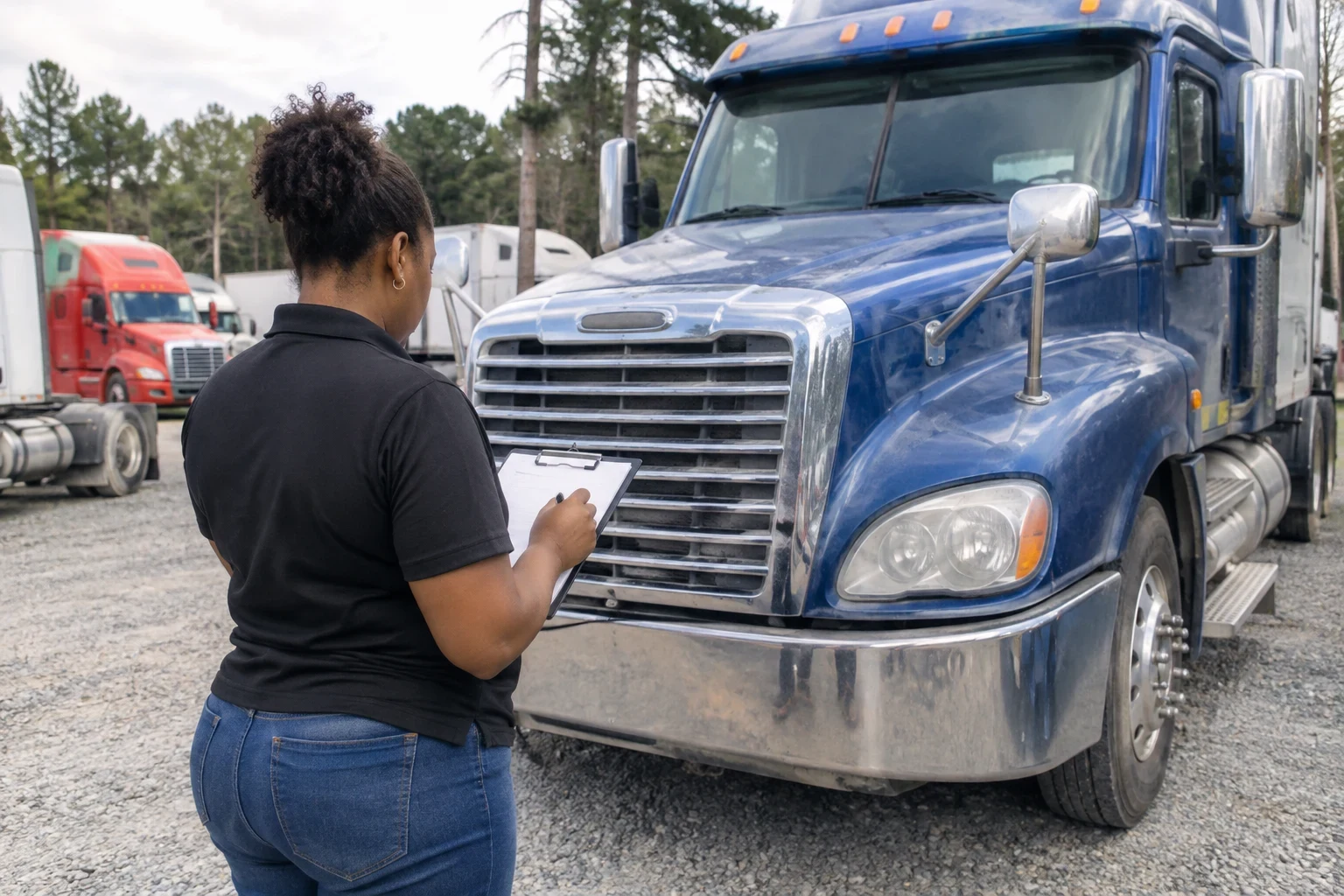
What physical damage coverage protects
Liability coverage pays for damage you cause to other people. Physical damage coverage is about your own equipment: the tractor, straight truck, pickup or trailer that earns your living. It usually comes in two parts. Collision covers a crash or rollover regardless of fault, and comprehensive covers things like theft, fire, vandalism, hail, falling objects and flooding.
It is not a federal filing requirement, so some owner-operators drop it once a truck is paid off. If you finance or lease, your lender will almost always require it and expect to be listed as loss payee. Even on a paid-off truck, it is worth asking how long your operation could keep going after a total loss with no payout.
We are licensed for property and casualty insurance, and we spend real time on the part many people never hear about until it matters: what happens after a loss. We explain what to photograph, what the adjuster will ask for and how your policy settles, so the day your truck is damaged is not your first lesson in how the coverage works.
What we set up with you
Collision and comprehensive
We quote both parts and explain where each one applies. On many policies a deer strike falls under comprehensive while a jackknife falls under collision, and the deductibles can differ.
A stated value that fits the truck
We help you land on a value backed by your purchase paperwork, upgrades and what similar trucks sell for. Set it too high and you pay premium on money you may never collect. Set it too low and a total loss leaves you short.
Deductibles that match your cash flow
A higher deductible lowers premium, but only helps if you could actually cover it after a wreck. We show you the tradeoff side by side.
Lender and lease paperwork
We list your lender or leasing company as loss payee and send them the certificate of insurance they need.
Trailers and attached equipment
Trailers can be scheduled on their own. Dump bodies, liftgates, reefer units and custom sleepers should be listed so they are counted after a loss.
Add-ons worth asking about
Some carriers offer towing and storage, rental or downtime coverage, and gap coverage on financed trucks. We tell you which ones the quoted carrier offers and you decide what is worth adding.
Signs it is time to review your physical damage coverage
You financed or refinanced a truck
New loan paperwork usually comes with insurance requirements. We make sure your limits and loss payee match what the lender asked for.
Your stated value is a few years old
Used truck values move. A value set when you bought the truck may not reflect what it is worth now.
You added a trailer or equipment
A new trailer, a dump body or a liftgate may not be on your policy automatically. Unlisted equipment can be a painful surprise after a loss.
Your trucks sit outside overnight
Spring and summer storms across Georgia bring hail and falling limbs, and parked trucks are targets for theft. Comprehensive is what responds to both.
Your last claim was a scramble
If you were unsure what to photograph or who to call, we can walk you through the steps now so the next one goes more smoothly.
From first call to coverage, and after a loss
- 1
A conversation about your trucks
We meet at our office, or by phone and video. We ask for VINs, year and make, purchase price, any lienholder, where the trucks park and who drives them.
- 2
Gathering the paperwork
Have your title or bill of sale and loan documents handy. Current photos of each truck help too, because a clear record of condition before a loss makes new damage easier to prove.
- 3
Comparing options in plain terms
We lay out quotes with the deductible, stated value and main exclusions next to each other. You will know what is not covered, like wear and tear, before you sign.
- 4
Binding and certificates
Once you choose, we bind the policy and send certificates to your lender or anyone else who needs proof of coverage.
- 5
If you have a loss
Give us a ring. We explain what to photograph, what records to keep and what the adjuster will ask for. The carrier makes the payment decision, and we help you understand it.
What moves your physical damage premium
Physical damage premium mostly comes down to what your equipment is worth and how likely it is to be damaged. We cannot give you a number without your details. These are the factors carriers weigh most.
- Stated value
- The higher the value listed for your trucks and trailers, the higher the premium. That is one reason an honest value matters.
- Deductible
- Choosing a larger deductible lowers your premium. It also means more out of pocket after every covered loss.
- Driver history and experience
- Clean records and years behind the wheel help. Recent accidents or violations push the premium up.
- Type of work and radius
- A dump truck working rough job sites, a hotshot rig running long distances and a box truck making local deliveries carry different risks, and carriers price them differently.
- Where the trucks are kept
- A fenced, lit yard reads differently to a carrier than street parking or a truck stop lot.
Physical damage questions we hear often
Something not covered here? (770) 405-1970
Does physical damage insurance cover mechanical breakdown?
Usually not. Engine failure, worn parts and tires that fail on their own are typically excluded. Some carriers offer separate breakdown coverage, and we will tell you if it is available for your truck.
What does stated value mean if my truck is totaled?
Stated value is the amount listed on your policy for the truck. Many policies pay the lesser of the stated value or the actual cash value at the time of loss, so the stated value is a ceiling, not a promise. We point out the settlement wording before you buy.
I am leased on to a motor carrier. Doesn't their policy cover my truck?
In most cases the carrier's policy covers liability while you are under dispatch, not damage to your own truck. Check your lease agreement, and we can review it with you. Our Owner-Operator Truck Insurance page covers how the pieces fit together.
What should I do right after damage happens?
Get safe first, then report it as soon as you reasonably can. Photograph all four sides, the VIN plate, the odometer and the scene, and keep tow receipts and any police report number. Avoid major repairs before the adjuster has looked, unless you need them to move the truck safely.
Can you promise my claim will be paid?
No, and we would be wary of anyone who did. The insurance carrier decides coverage and payment. What we can do is help you document the damage well and explain your policy, so you know what to expect.
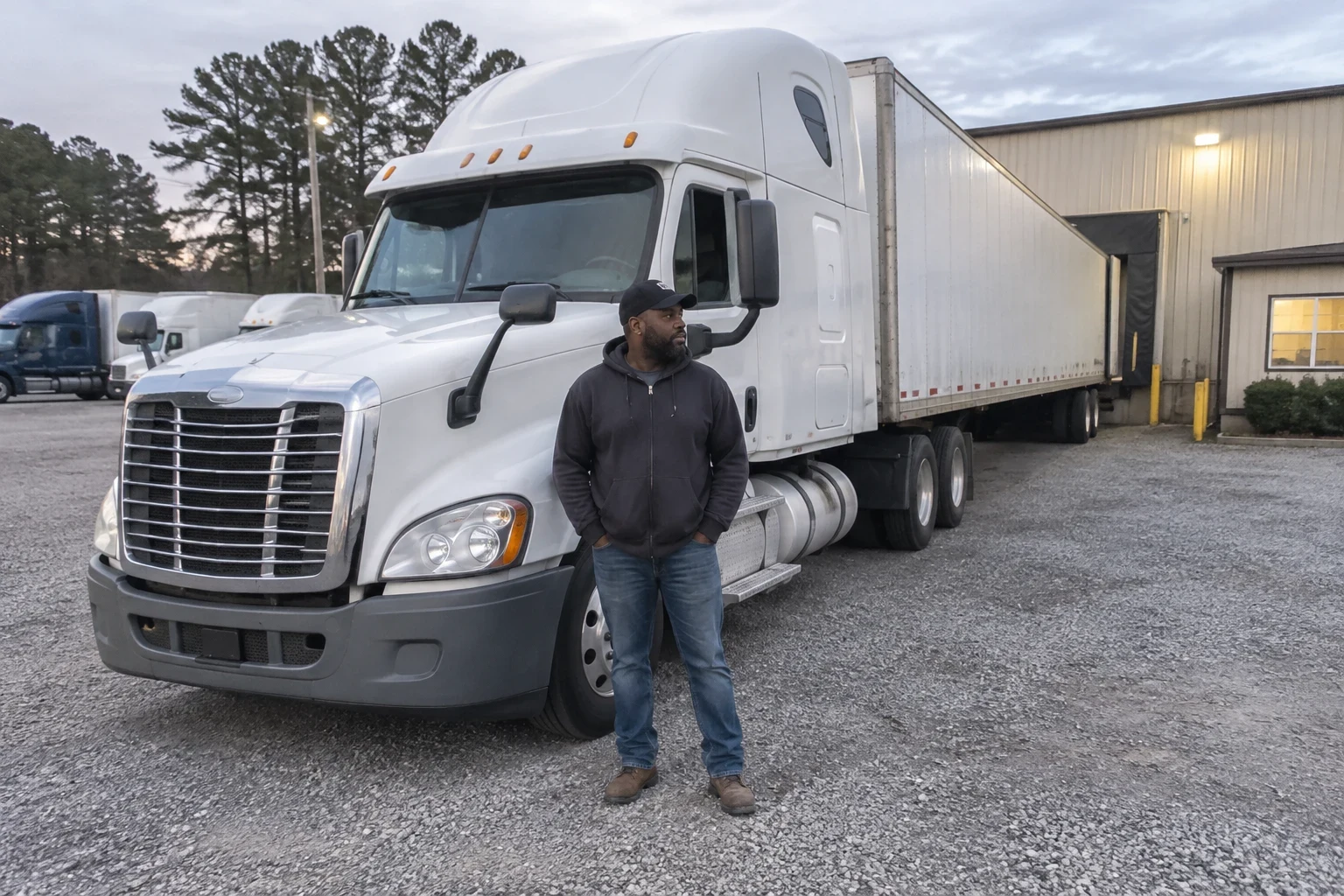
Get a clear look at your truck's coverage
Tell us what you drive, what you owe on it and how you run. We will explain your options in plain language and walk you through what happens after a loss.