ServicesMotor Truck Cargo Insurance
Motor Truck Cargo Insurance in Austell, GA
When a load is lost, stolen or damaged on your watch, the shipper looks to you. We help owner-operators and fleets set up cargo coverage that matches what they actually haul, and we walk you through the paperwork if a loss ever happens.
What cargo coverage protects, and what it does not
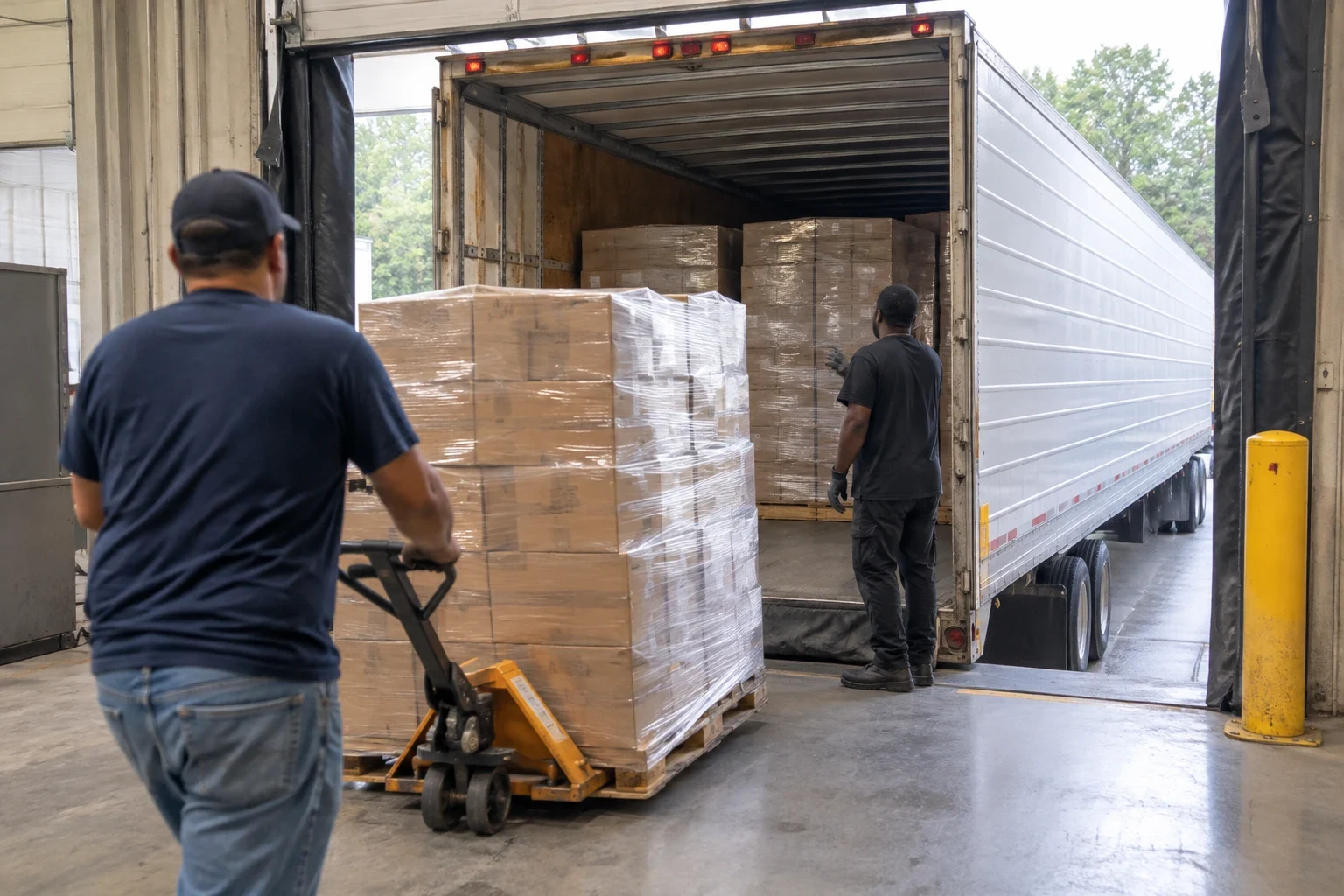
Motor truck cargo insurance pays for freight in your care when it is damaged or lost from a covered cause, such as a collision, fire, overturn or theft. It protects the goods, not your truck. Physical damage insurance covers the equipment, and primary auto liability covers harm you cause to others.
Most brokers and shippers will not tender a load until they see a certificate of insurance showing cargo coverage at the limit they require. The catch is in the details. Policies list the commodities they cover, set conditions for theft from an unattended truck, and often exclude reefer breakdown unless you add it. We go over those lines with you so the policy fits the freight you actually haul.
Our agency is licensed for property and casualty insurance, and we work with carriers around Austell and the nearby towns by phone, video or at our office.
What we cover when we set up your cargo policy
- 01
A commodity review
We ask what you haul now and what you might haul next season. Electronics, alcohol, tobacco and other high-theft loads are often limited or excluded, so we check them against the policy before you book them.
- 02
Limits and deductible that fit your contracts
We look at the limits your brokers and shippers write into their agreements and match the policy to them. Then we talk about a deductible you could really pay out of pocket after a bad day.
- 03
Reefer breakdown, if you run temperature-controlled
Spoilage from a refrigeration unit failure is a common gap. If you pull a reefer, we explain the breakdown endorsement and what records the carrier will expect, like temperature logs and maintenance history.
- 04
Certificates of insurance for brokers
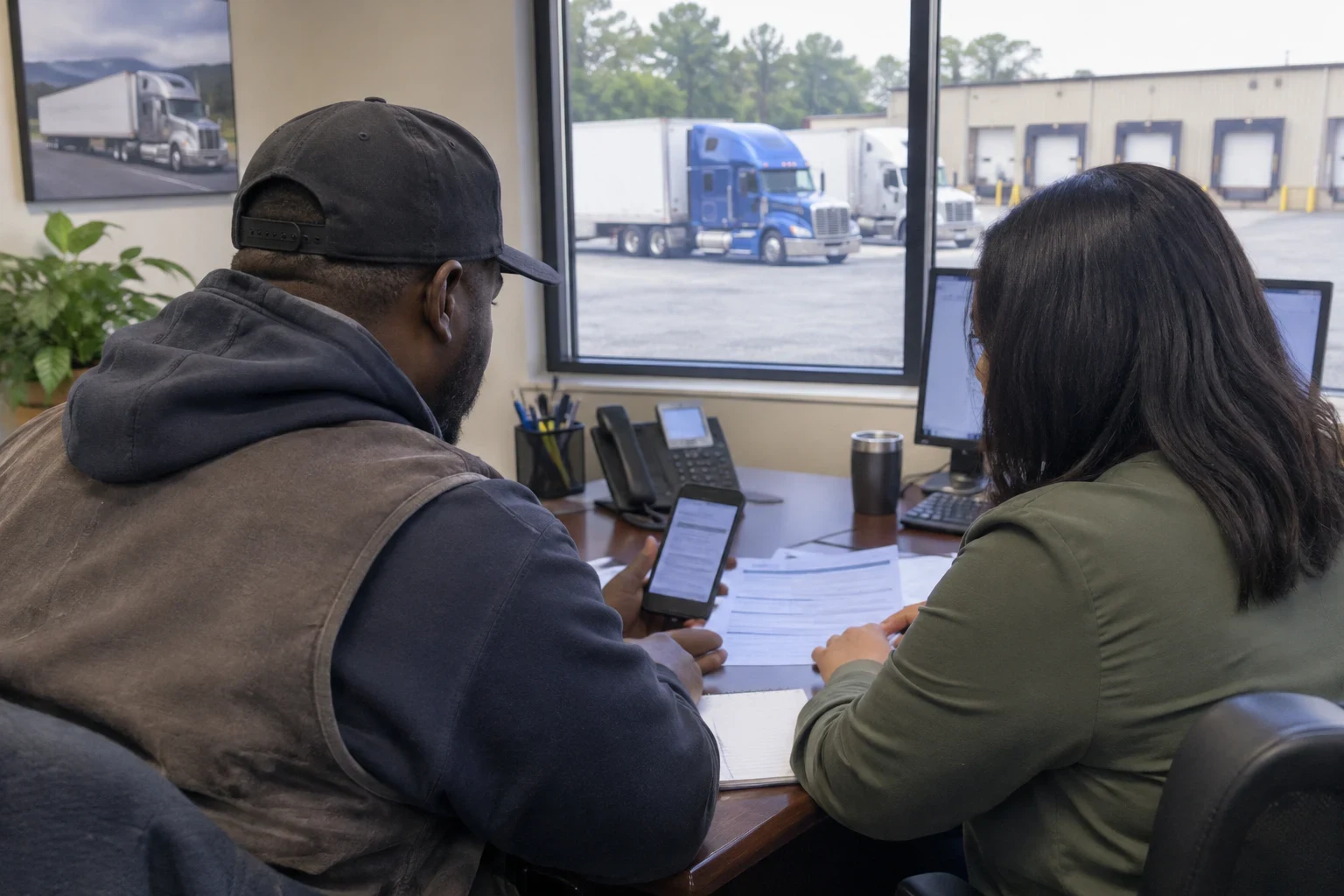
We issue certificates showing your cargo coverage and add certificate holders when a broker or shipper asks. You get one place to call instead of chasing paperwork between loads.
- 05
Claim documentation guidance
We tell you up front what a cargo claim needs: bill of lading notes, seal numbers, photos and, for theft, a police report. Knowing that before a loss makes it far easier to support with the insurance carrier.
Questions about Motor Truck Cargo Insurance?
Call(770) 405-1970Signs your cargo coverage needs a closer look
A broker rejected your certificate
If a load board contact says your limit is too low or a commodity is excluded, you are losing freight. That is usually a quick fix once we see the contract terms.
You started hauling something new
Moving from dry van general freight to produce, metals or packaged electronics can change what your policy covers. Check before the first load, not after.
You bought or switched to a reefer
Many cargo policies exclude losses from refrigeration failure. Without the right endorsement, a spoiled load may land on you.
You park loaded trucks overnight
Some policies only pay for theft if the truck was locked, attended or in a secured lot. If your drivers stage loaded trailers, those conditions matter.
You are leasing on or going independent
An owner-operator leased to a motor carrier may be under that carrier's cargo policy. Once you run under your own MC authority, you need your own.
How getting cargo coverage works with us
- 1
A conversation about your freight
We start by phone, video or at our office. Bring your DOT number, MC authority, the commodities you haul, your lanes and any broker requirements you have been sent.
- 2
Matching the policy to your loads
We compare what each carrier covers and excludes, then explain the differences in plain terms. You will know which commodities are listed and what the theft and reefer conditions say.
- 3
Binding and certificates
Once you choose a policy, we bind it and send certificates of insurance to the brokers and shippers on your list.
- 4
Help if a load goes wrong
If freight is damaged or stolen, call us. We explain what to photograph, what to note on the bill of lading and how to report it to the insurance carrier. The adjuster makes the coverage decision, and we help you understand each step while it happens.
What moves the price of cargo coverage
Your cargo premium depends mostly on what you haul and how much of it is worth protecting. We explain each factor as we quote so nothing on the final policy surprises you.
- Commodity type
- Lumber and building materials usually price differently than electronics, pharmaceuticals or frozen food. High-theft and perishable freight costs more to cover.
- Limit and deductible
- A higher limit raises the premium, and a higher deductible lowers it. We set both around your contracts and your cash on hand.
- Experience and loss history
- Time under your own authority, past cargo losses and driver records all weigh in. New authorities often pay more at first.
- Equipment and endorsements
- Reefer breakdown coverage, added certificate holders and special conditions for unattended trucks can all change the cost.
- Lanes and radius
- Where your trucks run and how far they travel affect theft exposure and time on the road.
Cargo insurance questions we hear often
Is cargo insurance required by law?
For most general freight, federal rules do not require a set amount of cargo coverage. In practice, nearly every broker and shipper requires it before they will give you a load. We look at the contracts you are signing and set limits to match.
Does cargo insurance cover my reefer load if the unit fails?
Not always. Many policies exclude spoilage from refrigeration breakdown unless you add a specific endorsement. If you add it, keep temperature logs and service records, because the carrier will ask for them on a claim.
I am leased onto a carrier. Do I need my own cargo policy?
Often the motor carrier you are leased to covers cargo, but check your lease agreement. Some leases pass that cost to the owner-operator. If you plan to run under your own MC authority later, you will need your own policy then.
What should I do right after a cargo loss?
Keep everyone safe, then take photos of the load, the seal and the trailer. Note the damage on the bill of lading and get the receiver to sign it. For theft, file a police report. Then call us and we will explain how to report it and what the adjuster will likely ask for.
Can I add a new commodity in the middle of my policy term?
Often yes, though the premium may change. Call us before you book the load so we can confirm it is listed or get it added.
Know what your cargo policy covers before the next load
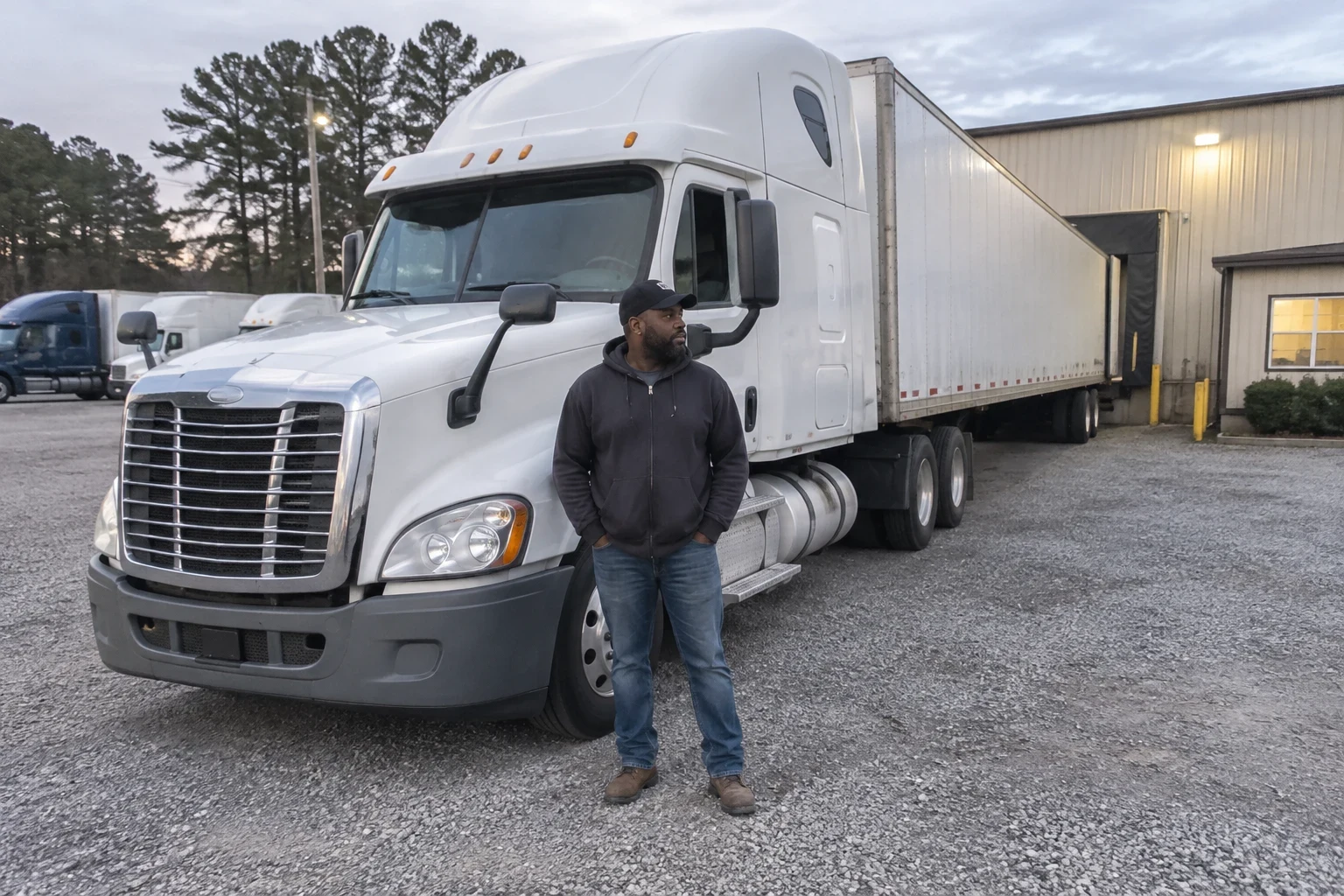
Tell us what you haul and which brokers you work with. We will go over limits, exclusions and how a claim would work for your operation.