ServicesPrimary Auto Liability
Primary Auto Liability Insurance in Austell
Primary auto liability pays for injuries and damage your truck causes to other people. It is the coverage your authority depends on. We help you pick limits that satisfy FMCSA and your brokers, get your filings in, and walk you through a claim if one happens.
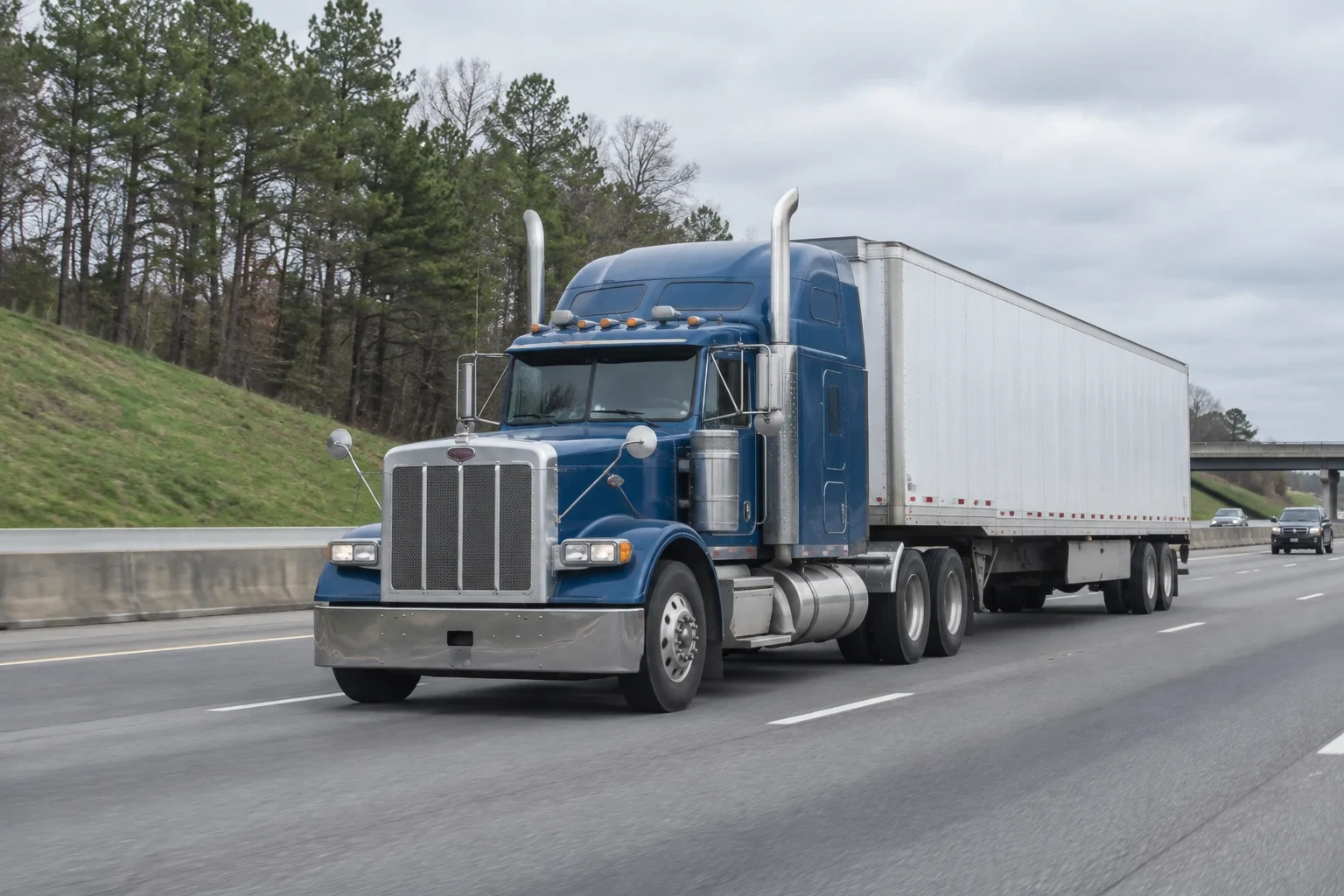
What primary liability covers, and what it doesn't
If your truck is at fault in a crash, primary auto liability pays for the other driver's injuries, their vehicle and any property you damage, up to your policy limit. It also pays for legal defense if you are sued. For interstate for-hire carriers it is not optional. FMCSA sets a federal minimum, and your MC authority will not go active until a BMC-91 or BMC-91X filing is on record.
What it does not cover matters just as much. It does not repair your own truck or trailer; that is physical damage insurance. It does not pay for the freight you are hauling; that is motor truck cargo insurance. Many owner-operators find this out at the worst time, so we lay it out plainly before you sign anything.
We are licensed for property and casualty insurance, and we work with motor carriers across Austell and nearby towns like Mableton, Powder Springs and Douglasville by phone, by video or at our office.
What we handle with your liability policy
Choosing the right limit
The federal minimum for general freight is $750,000, but most brokers and shippers ask for $1,000,000. We look at who you haul for and what they require so you are not turned away from a load over your limit.
Federal and state filings
We arrange the BMC-91 or BMC-91X filing with FMCSA and any state filing your intrastate work needs. We confirm it shows up on your record, not just that it was sent.
Certificates of insurance
Brokers want a certificate of insurance before you book. We issue them with the correct holder name and limits, and add certificate holders as new customers come on.
Scheduled units and drivers
Your policy lists your trucks by VIN and your drivers by name. When you add a unit or hire a driver, we update the policy so nobody is running uncovered.
Claim guidance
If you are in a crash, we explain what to document, how to report it and what the insurance company's adjuster will do next. We do not act as the adjuster, and we will not promise an outcome we cannot control.
Signs it's time to look at your liability coverage
Your new authority is waiting
You have a DOT number and MC authority pending, and FMCSA is waiting on proof of insurance. Without the filing, the authority sits inactive.
A broker rejected your certificate
Your limit or the way your certificate is written does not match the broker's setup packet. That usually means a limit increase or a corrected certificate.
You're leaving a lease
Running under another carrier's authority meant running under their liability. Going independent means you need your own primary policy before your first load.
FMCSA notice of cancellation
A missed payment or a policy change can trigger a cancellation filing. Your authority can be revoked if new coverage is not filed in time.
Renewal premium jumped
A big increase at renewal deserves a second look. Sometimes a driver change or a reported loss explains it; sometimes another market prices you better.
How getting covered works
- 1
A conversation about your operation
We start with a call. We ask about your DOT number, what you haul, how far you run and who drives. It helps to have each driver's CDL details and your VINs handy.
- 2
Gathering your records
If you have run before, we ask for loss runs from your prior insurer. New ventures do not have them, and that is fine; we explain how underwriters look at new authority.
- 3
Comparing quotes
We bring back options and explain the differences in limits, deductibles on any defense costs and exclusions. You get a clear picture of what each premium buys.
- 4
Binding and filing
Once you choose, we bind the policy, get the filing on its way to FMCSA and send your certificates of insurance. We check your record until the filing posts.
What shapes your liability premium
Liability is usually the largest piece of a trucking insurance bill, because it covers the most expensive kind of loss. Underwriters price it around risk to the public. We explain each factor so the number makes sense before you commit.
- Drivers and their records
- Years of CDL experience and clean motor vehicle records carry a lot of weight. A recent violation or a young driver can move the premium more than anything else.
- Radius and lanes
- Local runs around the metro price differently than long-haul interstate miles. Where the truck is garaged also counts.
- What you haul
- Commodity matters. Hazmat requires higher federal limits, and some freight types are rated as higher risk.
- Time in business and loss history
- A new authority pays more in its first years. A clean loss record over time is how that comes down.
- Limit you carry
- Moving from the federal minimum to $1,000,000 or higher raises the premium, though often by less than carriers expect.
Primary auto liability questions
Something not covered here? (770) 405-1970
Is the federal minimum enough?
It keeps your authority legal, but many brokers will not load you below $1,000,000. Think about the freight you want, not just the law. We can show you both options side by side.
Does liability pay to fix my truck after a wreck?
No. Primary liability pays for damage you cause to others. Repairs to your own truck come from physical damage insurance, which is a separate coverage we can quote with it.
How long does the FMCSA filing take?
The filing goes to FMCSA once the policy is bound. It usually shows on your record within a few business days, and we keep checking so you know when your authority can activate.
What should I do right after an accident?
Make sure everyone is safe and call the police. Take photos of every vehicle, the road and your ELD screen, get the report number and other driver's information, and avoid discussing fault. Then report it to your insurer and call us so we can explain what comes next.
Do I need my own liability if I'm leased on?
Usually the motor carrier you are leased to provides primary liability while you are under dispatch. You may still need non-trucking liability (bobtail) insurance for personal use of the truck.
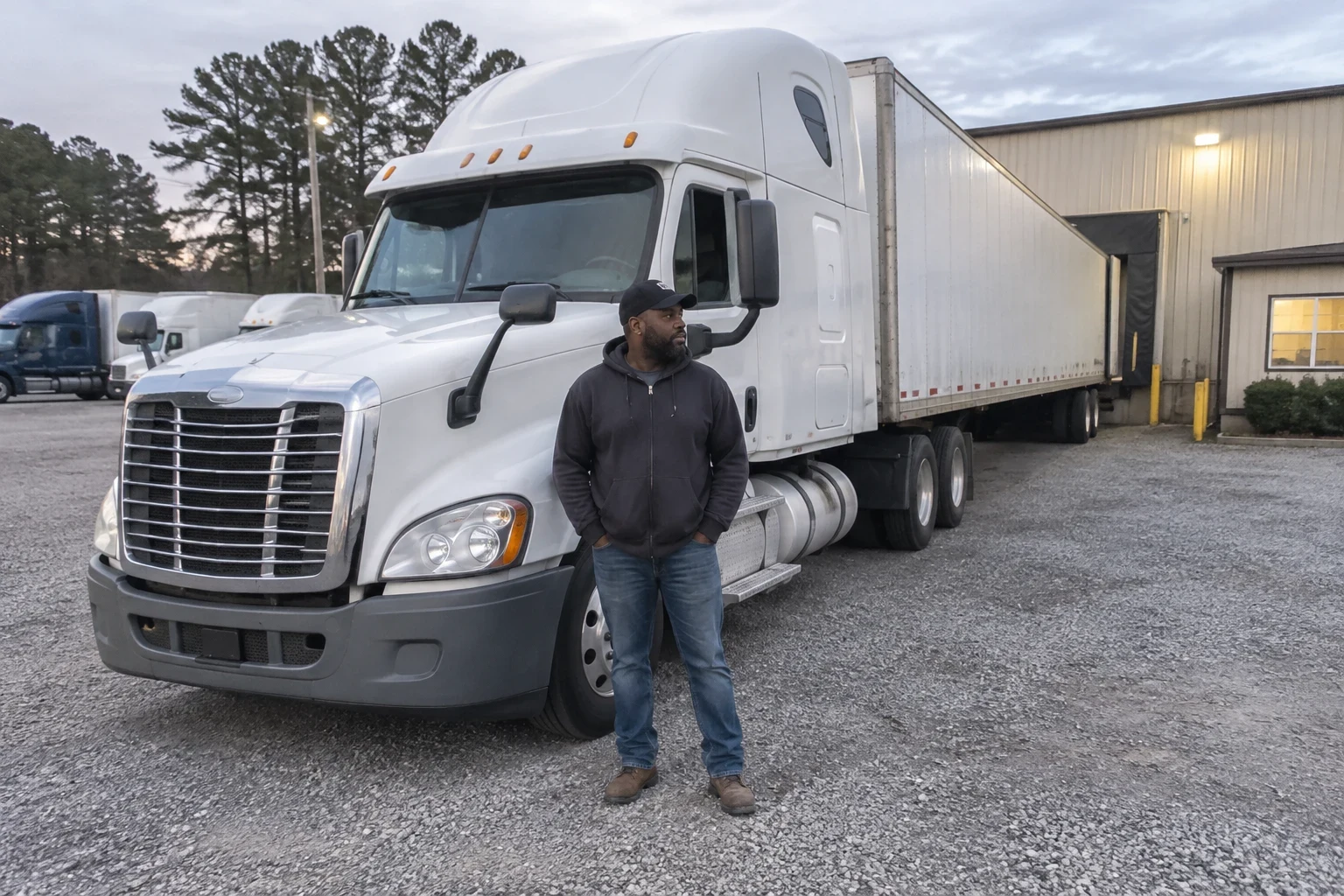
Get your limits right before the next load
Tell us about your trucks, drivers and lanes, and we will explain where your liability coverage stands and what it would take to fix any gaps.