ServicesNew Authority Truck Insurance
New Authority Truck Insurance in Austell
You have a DOT number, a new MC authority and a truck ready to roll. Before you can haul a single load, the right liability filing has to be on record. We help first-year carriers set up coverage that brokers accept and explain every line of it.
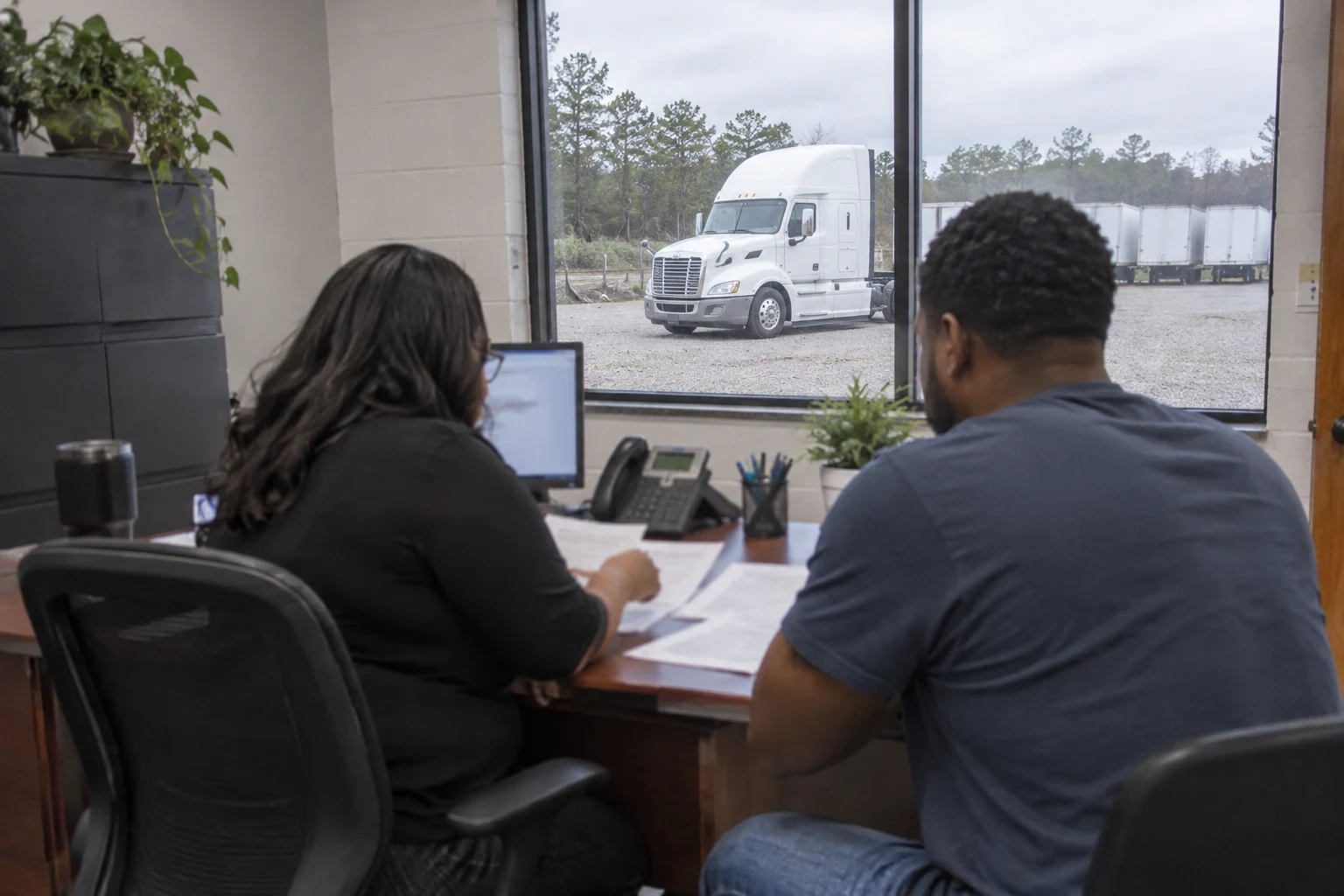
Insurance for your first year under your own authority
When you apply for MC authority, the FMCSA will not activate it until an insurer files proof of your primary auto liability. That filing is the first thing most new carriers need from us. After that come the coverages brokers and shippers usually ask for before they hand you a load, such as cargo coverage and physical damage on your trucks.
New authorities are harder to place because there is no loss history yet. Fewer insurers write them, and the ones that do look closely at your driving record, your CDL experience and the freight you plan to haul. We are licensed for property and casualty insurance, and we spend time up front getting your application right so you are not surprised later in the year.
We work with carriers in Austell and nearby towns like Mableton, Powder Springs and Douglasville, at our office or by phone and video.
What we set up for a new authority
- Primary liability and the federal filing
- We place your primary auto liability and make sure the insurer submits the electronic filing to the FMCSA. We check that it posts so your authority can move forward.
- Cargo coverage
- Most brokers want motor truck cargo coverage before they load you. We match it to what you actually haul, because reefer, electronics and general freight are written differently.
- Physical damage on your trucks
- If your truck is financed, the lender will require physical damage coverage. Even if it is paid off, a repair bill can sink a first-year carrier, so we walk through the deductible choices with you.
- Certificates of insurance
- Brokers ask for a certificate of insurance before the first load and often again later. We get them issued with the right names and limits so a load does not stall over paperwork.
- Related coverage when it fits
- Depending on your setup, you may also need trailer interchange insurance or other coverage. We explain when it applies and when it does not, so you are not paying for something you will never use.
Signs it is time to talk to us
Your MC authority is pending
If your application shows insurance as the missing piece, the clock is running. Getting the filing started early keeps your authority from stalling.
You are leaving a lease
Owner-operators coming off a lease often had liability through the carrier. Once you run under your own authority, that coverage is yours to carry.
A broker rejected your certificate
If a broker said your limits or cargo coverage did not meet their requirements, we can review what you have and what they asked for.
Your quote came back confusing
A first-year quote can bundle several coverages with different deductibles. If you are not sure what you are paying for, we will go through it line by line.
How getting covered works
- 1
A conversation about your operation
We ask about your trucks, drivers, freight, radius and where you garage. Honest answers here lead to a quote that holds up.
- 2
Applications to insurers that write new authorities
We send your information to markets that accept first-year carriers and bring back the options, explained in plain terms.
- 3
Binding and filings
Once you choose, we bind coverage, confirm the federal filing is submitted and issue the certificates of insurance your brokers need.
- 4
Help when something goes wrong
If you have an accident or a cargo loss, we tell you what to photograph, which documents to gather and what the adjuster will likely ask. The insurer makes the claim decision, but you will not go through it without knowing the next step.
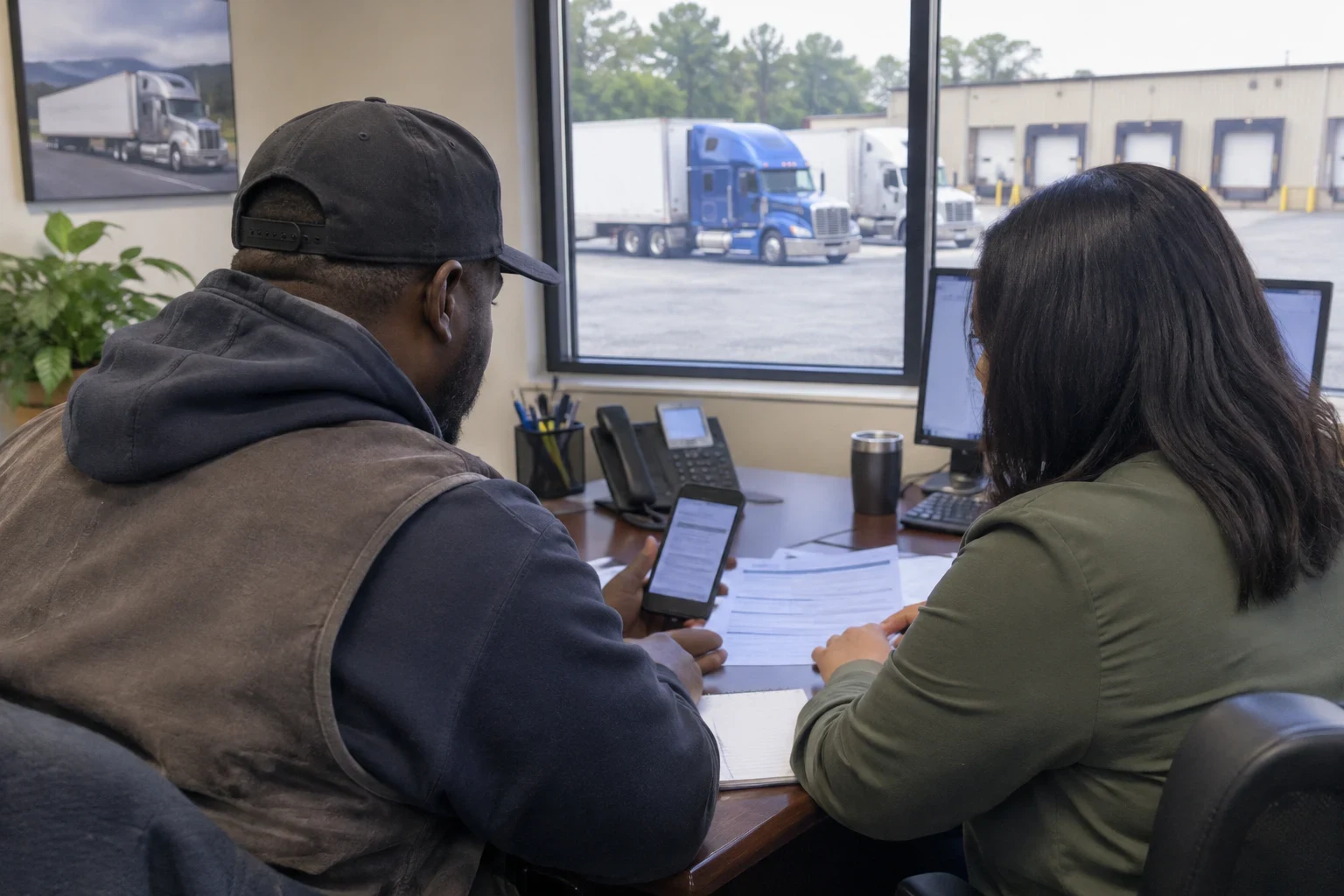
What shapes a new authority premium
There is no single price for a new authority, because insurers rate each carrier on its own details. With no history to lean on, they look harder at the driver and the plan. Here is what moves the number most.
- Driver experience and record
- Years holding a CDL and a clean motor vehicle record carry a lot of weight. Some insurers will not write drivers with very little experience at all.
- Freight and radius
- What you haul and how far you run change the risk. Long-haul and higher-value freight usually cost more than local runs.
- Your trucks and trailers
- The value and age of your equipment drive the physical damage premium. Your deductible choice matters here too.
- Limits brokers require
- Many brokers ask for liability and cargo limits above the federal minimum. Higher limits raise the premium but can open up more loads.
New authority questions we hear often
Something not covered here? (770) 405-1970
Why is insurance so expensive in my first year?
Insurers price on history, and a new authority has none. They make up for that uncertainty with a higher premium. Keeping a clean record through the year gives you a stronger position at renewal.
Can I get coverage with less than two years of CDL experience?
Sometimes, but the options are narrower. Some insurers set a minimum experience level and will not quote below it. We will tell you plainly what is available for your situation.
How do I know my filing reached the FMCSA?
The insurer submits it electronically, and it shows on the FMCSA public record once processed. We check for it after binding and let you know when it appears.
What should I do right after an accident?
Make sure everyone is safe and follow law enforcement instructions. Then take photos of every vehicle, the scene and any cargo damage, and keep the police report number and the other driver's details. Contact us as soon as you can and we will explain how to report it to your insurer and what comes next.
What happens at the end of my first year?
Your policy comes up for renewal, and your record from that year starts to count. We review your coverage with you before the renewal date so changes do not catch you off guard.
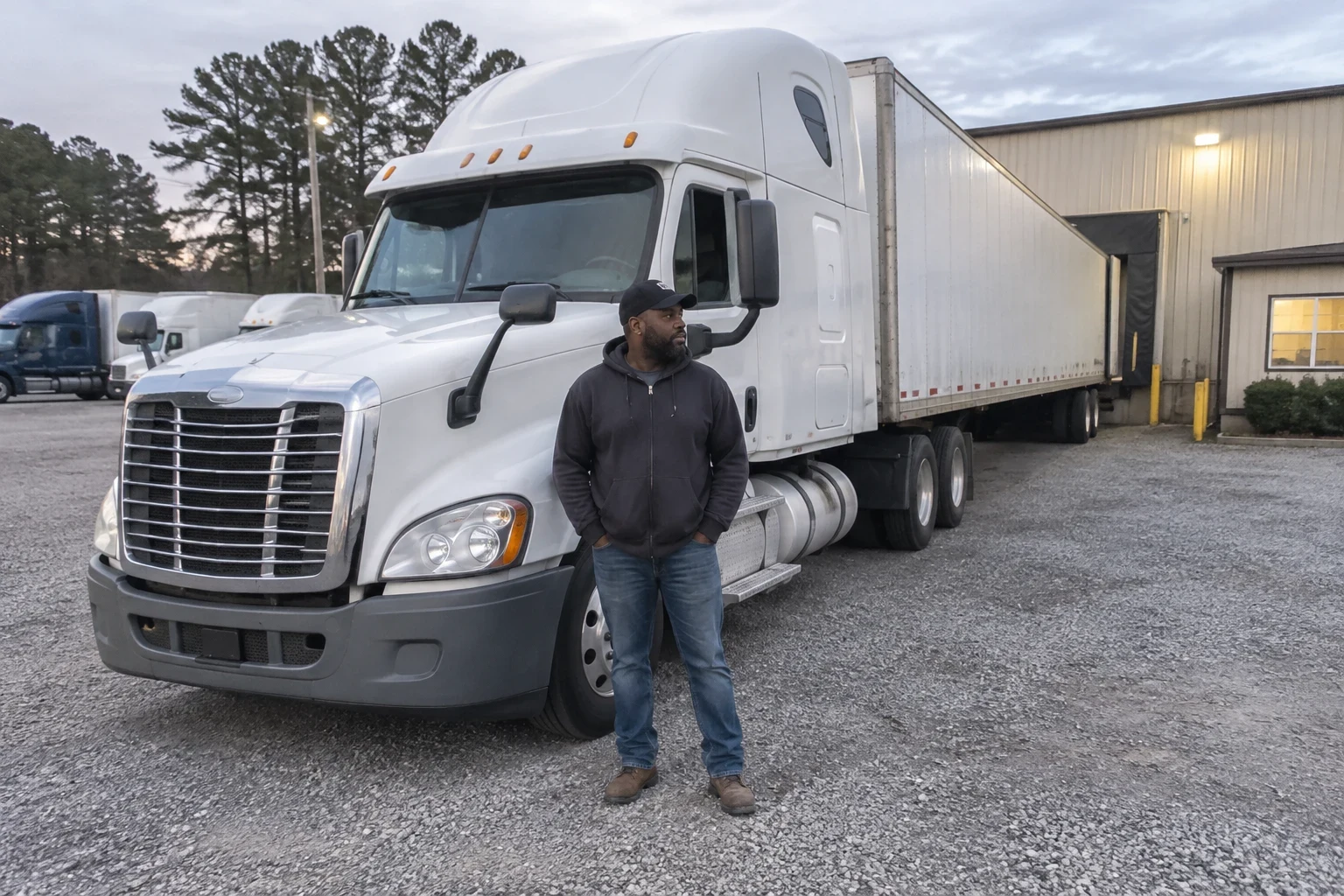
Ready to get your authority moving?
Tell us about your trucks, your drivers and the freight you plan to haul. We will explain your options and help you get your quote by phone.