ServicesOwner-Operator Insurance
Owner-Operator Truck Insurance in Austell
When the truck is yours, so is the risk. We help owner-operators sort out which coverage the carrier provides, which you have to carry yourself, and what happens if you ever file a claim. You get straight answers before you sign anything.
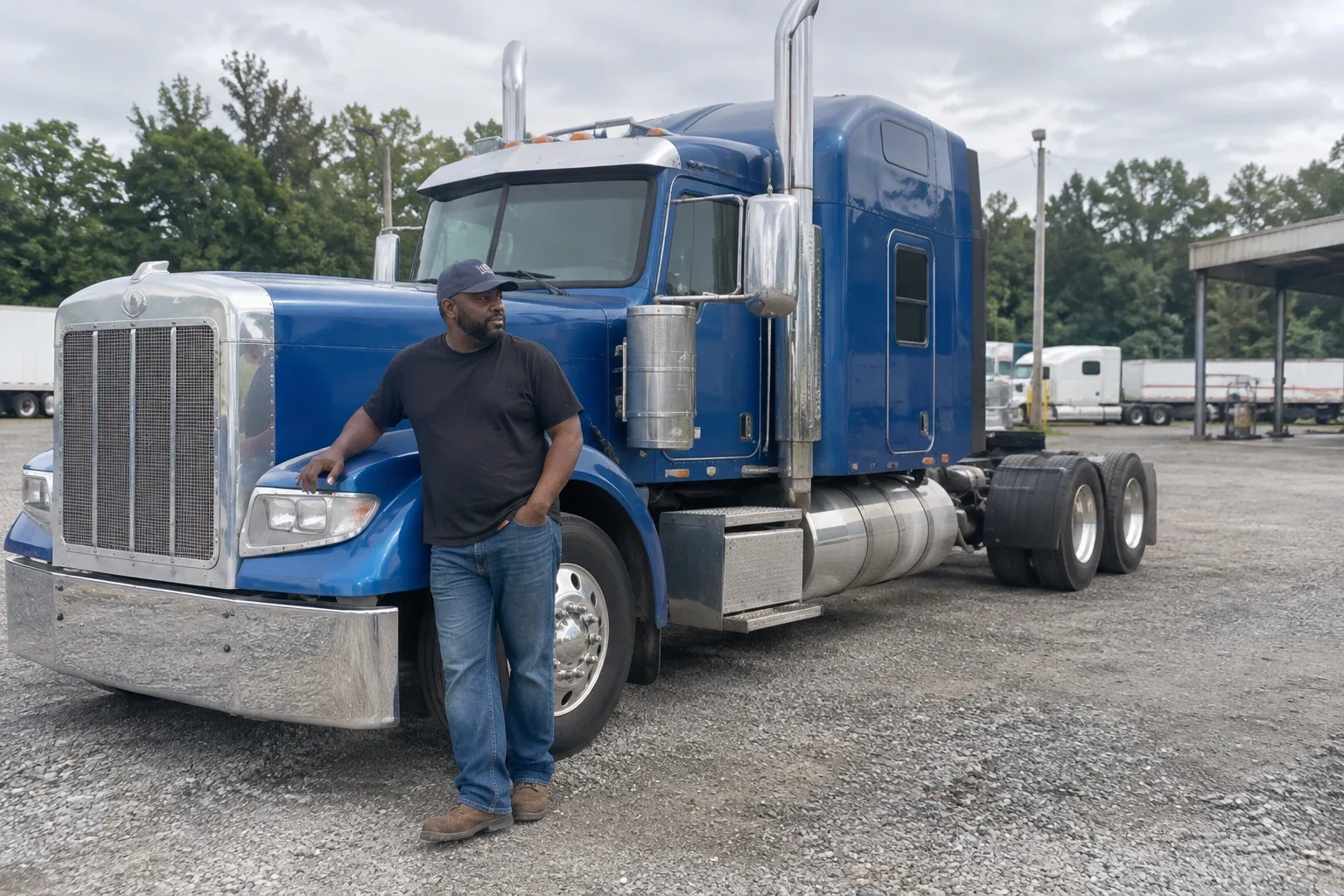
Coverage that matches how you actually run
Owner-operators fall into two camps, and the insurance looks different for each. If you are leased onto a motor carrier, the carrier usually provides primary liability while you are under dispatch. You still need to protect your own truck and cover the miles you drive off dispatch. If you run under your own DOT number and MC authority, you carry it all: primary liability, cargo coverage and the federal filings that keep your authority active.
Our first job is figuring out which camp you are in and what your lease agreement or your shippers require. Then we build the policy around that, not around a package that sells well. We are licensed for property and casualty insurance, and we explain each piece in plain terms so you know what you are paying for.
We work with drivers across Austell, Mableton, Powder Springs and the surrounding area, at our office or by phone and video.
What an owner-operator policy can include
- Primary auto liability
- Required when you haul under your own authority. It pays for injuries and damage you cause to others, and it is the coverage your filings are built on.
- Physical damage on your tractor
- Covers your own truck after a collision, fire, theft or weather damage. It is set at a stated value, so getting that number right matters when there is a claim.
- Non-trucking liability (bobtail)
- For leased-on drivers, this covers you when you are driving the truck for personal use and off dispatch. Your carrier's policy typically does not.
- Motor truck cargo
- Protects the freight you haul if it is damaged or lost. Brokers and shippers often ask for a specific limit before they will load you.
- Trailer interchange
- Needed when you pull a trailer you do not own under an interchange agreement. We check what the agreement asks for.
- Filings and certificates
- We handle the filings your authority needs and issue a certificate of insurance when a broker or shipper asks for one.
Signs it is time to review your coverage
You are leaving a carrier lease
Going out on your own authority means the carrier's liability no longer covers you. You will need your own primary liability and filings in place before you haul a single load.
A broker rejected your certificate
If a broker says your cargo limit is too low or a coverage is missing, the gap needs closing before it costs you more loads.
You bought or financed a new truck
Lenders usually require physical damage coverage, and an old stated value on a newer truck can leave you short after a total loss.
You are unsure what covers you off dispatch
Many leased-on drivers find out about the bobtail gap only after an accident. Ask now, while nothing is at stake.
Your renewal jumped and nobody explained why
We can go through your loss runs and policy changes with you and show where the premium is coming from.
How we work through it with you
- 1
A conversation about your operation
We ask how you run: leased or own authority, what you haul, how far you go and what your truck is worth. Have your DOT number, CDL details and any lease agreement handy.
- 2
Quotes explained line by line
We gather your quote and walk you through each coverage and deductible. If something is optional, we say so.
- 3
Filings and paperwork
Once you choose a policy, we take care of the filings your authority requires and send certificates to the brokers or carriers who need them.
- 4
Help when there is a claim
If something happens, we tell you what to photograph, which documents to keep and how the claim process usually unfolds. The insurance company's adjuster makes the coverage decision; we help you understand each step and keep your paperwork in order.
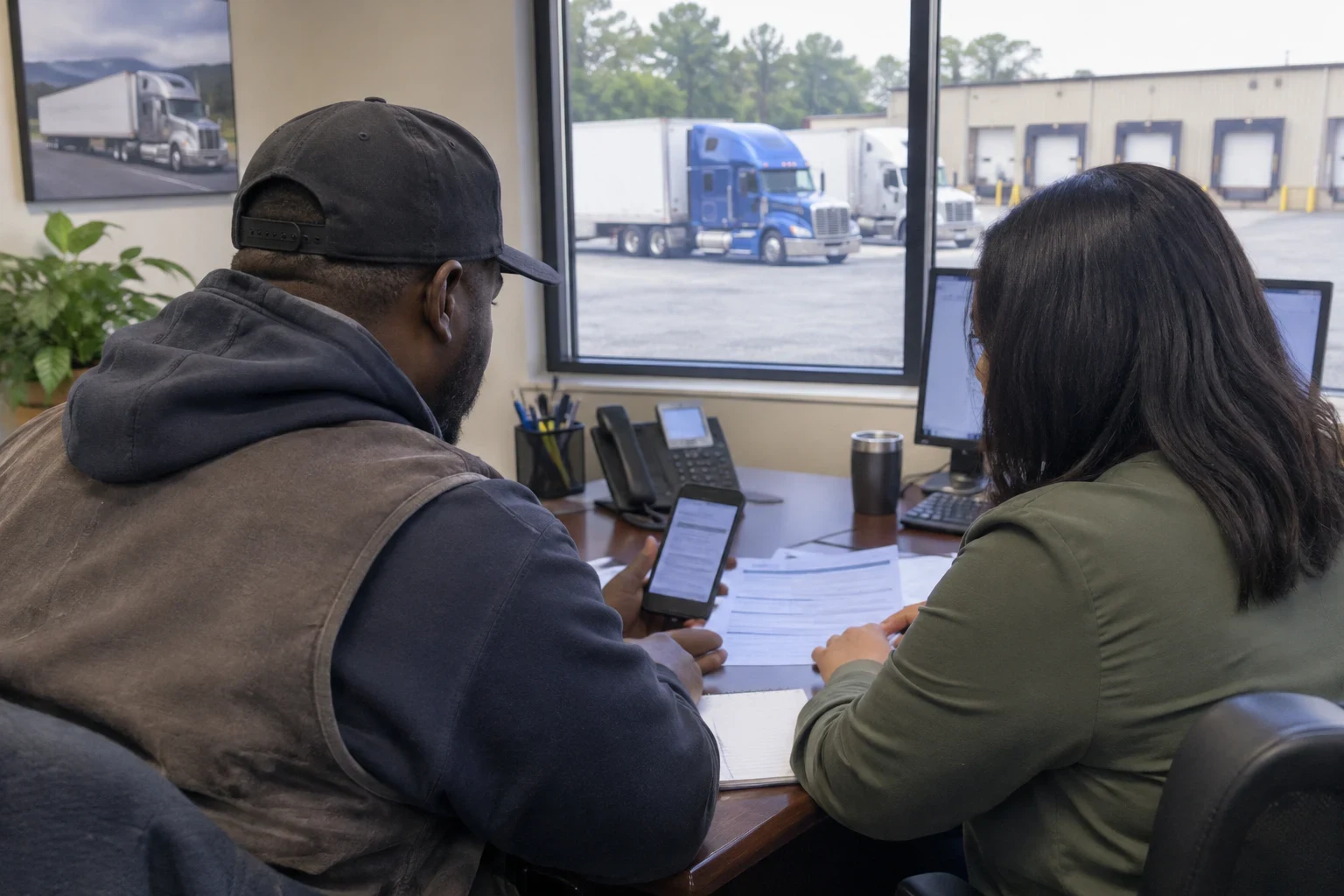
What shapes your premium
There is no single price for owner-operator coverage. Insurers look at you, your truck and the kind of freight you move. Knowing the main factors helps you see where you have some control.
- Driving record and experience
- Years holding a CDL, recent violations and past accidents carry a lot of weight. A clean record with a few years behind the wheel opens more options.
- Leased-on or own authority
- Running under your own MC authority means carrying primary liability, which is usually the largest part of the premium. Leased drivers often need less.
- What you haul and how far
- Commodity type, cargo limits and your operating radius all matter. Long-haul routes and higher-value freight generally cost more to insure.
- Truck value and deductibles
- A higher stated value raises physical damage cost. Choosing a larger deductible can lower the premium, but only if you could cover that amount after a loss.
- Age of your authority and safety scores
- New authorities and weaker inspection histories tend to price higher. Clean roadside inspections over time can help at renewal.
Owner-operator insurance questions
Something not covered here? (770) 405-1970
If I am leased onto a carrier, do I need my own insurance?
Usually, yes. The carrier's policy typically covers liability while you are under dispatch, but not damage to your own truck or the miles you drive off dispatch. Most leased owner-operators carry physical damage and non-trucking liability. Your lease agreement spells out exactly what you are responsible for, and we can read it with you.
What do I need before getting a quote?
Your CDL information, DOT number and MC number if you have them, the year, make and value of your truck, and what you plan to haul. Prior insurance and loss runs help too. If you are just starting out, we can still talk through what will be needed.
How fast can I get a certificate of insurance for a broker?
Once your policy is bound, we issue certificates as brokers request them. Timing depends on when the policy is in force, so it helps to call before you book a load that requires one.
Can you help me if I have an accident?
We can walk you through what to document at the scene, such as photos of all vehicles, the load and the location, plus the police report and bills of lading. We explain how the claim moves forward and what the adjuster will likely ask. We do not decide the claim, and we will not promise an outcome, but you will not be guessing about the next step.
Will switching from leased to my own authority change my premium a lot?
It usually does, because you take on primary liability and cargo coverage yourself. We can lay out both scenarios side by side so you can see the difference before you make the move.
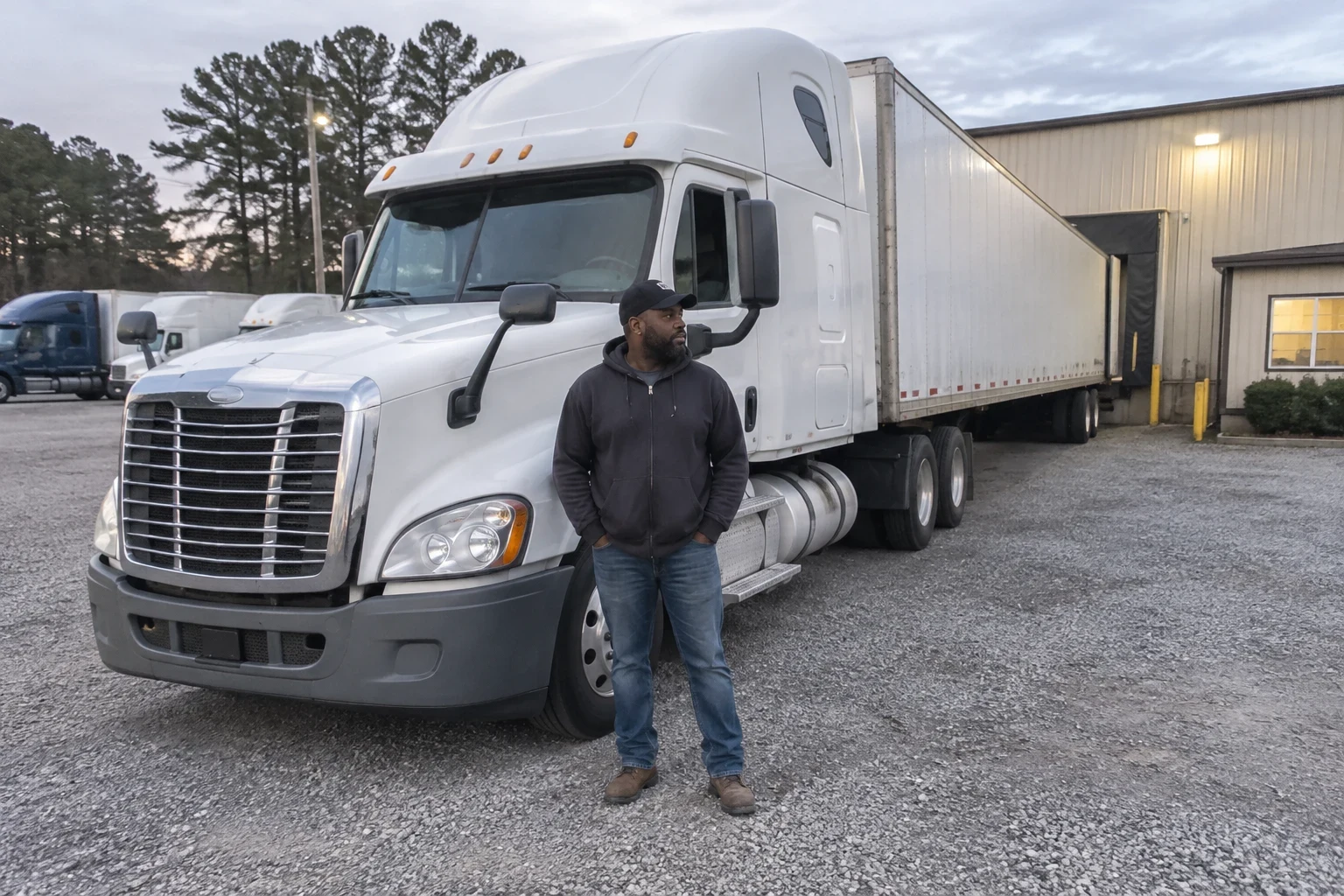
Know what your truck is covered for
Tell us how you run and what you haul, and we will explain your options in plain language. Get your quote by phone and ask any question you have.