ServicesHotshot Truck Insurance
Hotshot Truck Insurance in Austell
Your pickup and trailer earn the money, so your coverage should match the loads you actually pull. We put together liability, cargo and physical damage for hotshot operators, handle the filings, and stay with you if you ever need to document a claim.
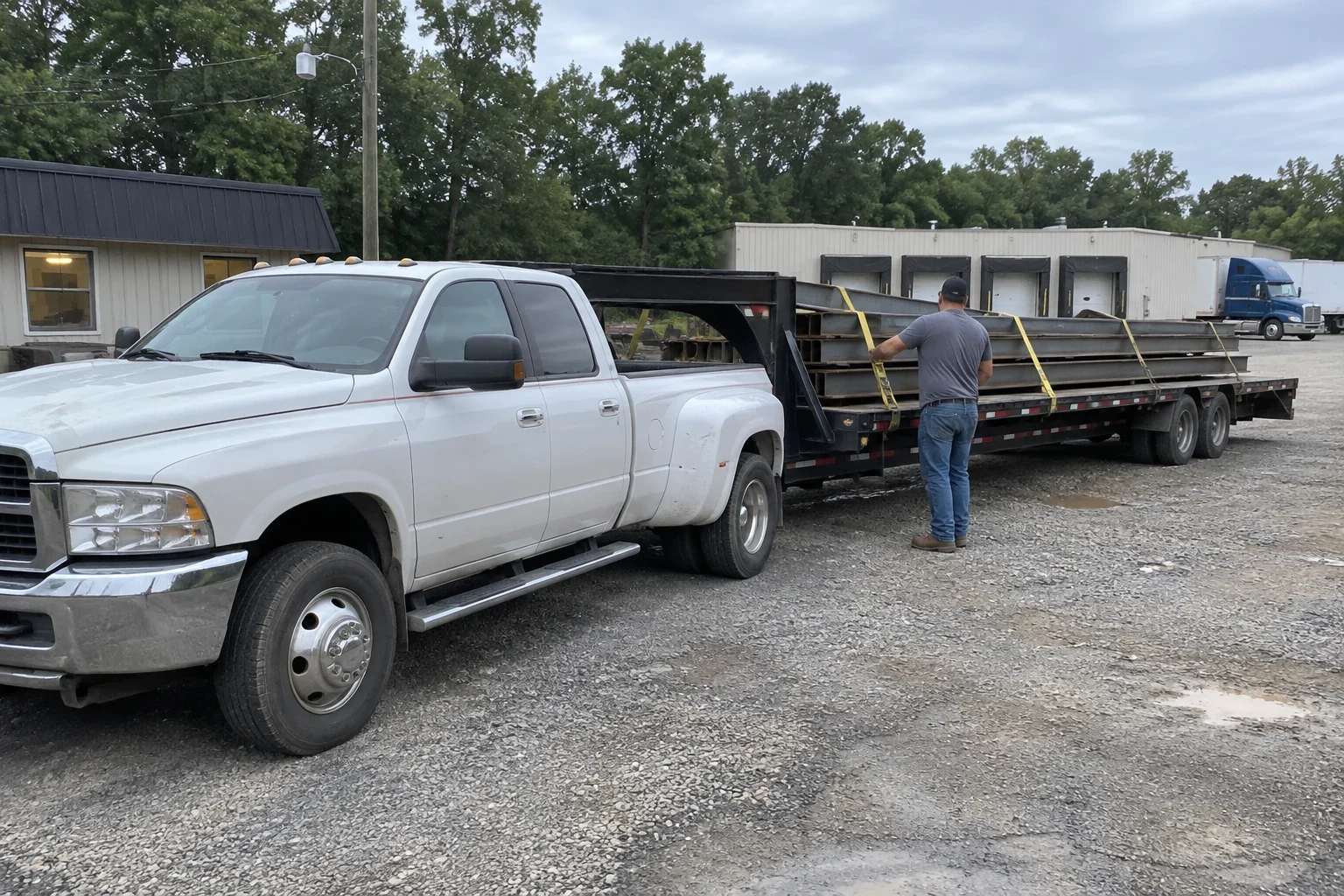
What hotshot insurance covers and who needs it
Hotshot work usually runs on a one-ton or larger pickup pulling a gooseneck or bumper-pull flatbed. Once the truck and trailer together are rated over 10,001 pounds and you haul for hire across state lines, you need a DOT number, MC authority and a liability filing on record before a broker will hand you a load.
A hotshot policy usually combines primary auto liability, motor truck cargo and physical damage on both the pickup and the trailer. If you are leased on to another motor carrier, the mix changes and non-trucking liability may come into play instead. We are licensed for property and casualty insurance, and our job is to fit these pieces to your operation instead of selling you a package built for an eighteen-wheeler.
We also help after something goes wrong. The insurance company's adjuster decides what a claim pays, but we can show you what to photograph, which papers to send and what the next steps usually look like.
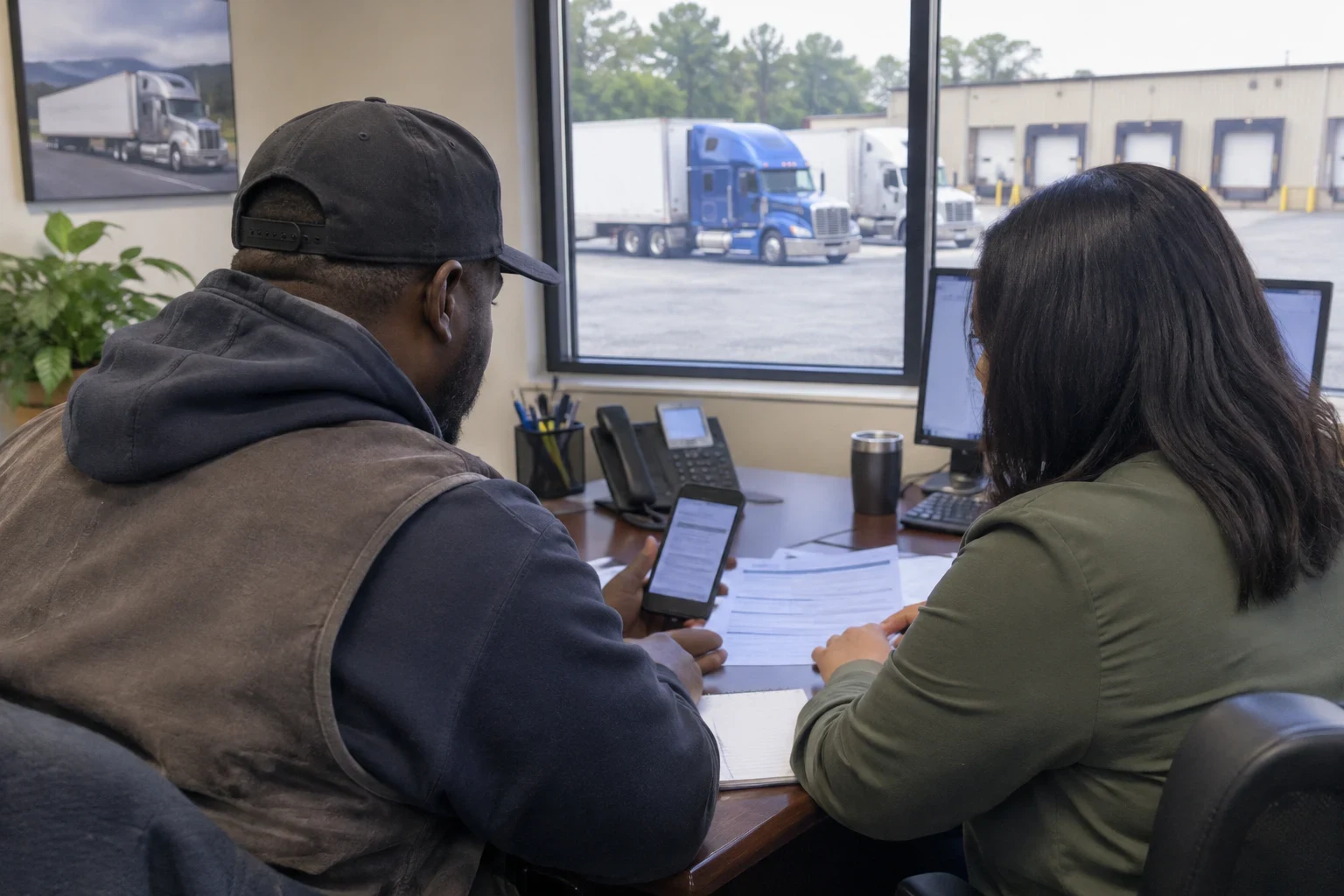
What we set up for your hotshot operation
- 01
Liability and your filing
We arrange primary auto liability at the limits your authority and your brokers require. The insurance company submits the federal filing, and we confirm with you once it shows on your record.
- 02
Cargo coverage for open-deck loads
Flatbed freight like machinery, pipe and vehicles behaves differently than boxed goods. We size the cargo limit to what you haul and walk you through common exclusions, such as unattended-truck rules and commodities the policy won't cover.
- 03
Physical damage on truck and trailer
Your pickup and your trailer are listed as separate units with their own values and deductibles. That way a damaged trailer isn't left out because only the truck was on the schedule.
- 04
Certificates of insurance
Brokers and shippers want a certificate before dispatch. We issue them with the right names and limits so a load isn't held up over paperwork.
- 05
Claim documentation help
If a load shifts or the rig is hit, we explain what the adjuster will likely ask for: photos of the damage and securement, the bill of lading, any police report and dashcam footage.
Questions about Hotshot Truck Insurance?
Call(770) 405-1970Signs it's time to review your hotshot coverage
You're going for-hire across state lines
Moving from local runs to interstate freight means federal authority and a filing. A personal or basic commercial auto policy won't satisfy that.
A broker turned down your certificate
This usually means the cargo limit was too low, the trailer wasn't listed, or the broker wasn't named correctly. All of those can be fixed.
You changed trucks or added a trailer
A new VIN that never made it onto the policy is one of the most common gaps we see. Physical damage only covers the units listed.
Your loads got heavier or different
Hauling cars or equipment instead of general freight can change your cargo terms and what the policy excludes.
Your renewal jumped and nobody explained why
We'll go through the new premium with you line by line and look at whether another insurance company fits better.
How getting covered works with us
- 1
A conversation first
We talk by phone or video, or you can stop by our office. We ask what you haul, how far you run and if you're under your own authority or leased on.
- 2
Gathering your details
We'll need your DOT and MC numbers if you have them, VINs for the truck and trailer, driver information and any past losses. Having them ready keeps the process short.
- 3
A quote you can read
We lay out each coverage, its limit and its deductible in plain terms. If something is optional, we say so and explain what it protects.
- 4
Binding, filings and certificates
Once you choose, we bind the policy, make sure the filing is submitted and send certificates to your brokers. After that, call us with changes or when you need help after damage or an accident.
What shapes your hotshot premium
Hotshot pricing depends mostly on the driver and the freight, not just the truck. Two operators with the same pickup can see very different quotes. We'll tell you which factors are driving yours and what, if anything, you can change.
- Driving record and experience
- Years with a CDL or in commercial hauling, plus tickets and accidents, carry the most weight. Clean history on a new driver still helps.
- Age of your authority
- A brand-new MC number usually costs more than one with a few years of loss-free history. Our New Authority Truck Insurance page explains what to expect in that first year.
- Radius and lanes
- Long interstate runs price differently than regional work. Heavy metro Atlanta traffic on your regular routes can also factor in.
- What you haul and your cargo limit
- Higher-value or harder-to-secure freight raises the cargo portion of the premium.
- Equipment value and deductibles
- A newer pickup and gooseneck cost more to cover for physical damage. Choosing a higher deductible lowers the premium but raises what you pay out of pocket after a loss.
Hotshot insurance questions we hear often
Will my personal pickup policy cover me when I haul hotshot loads?
Almost never. Personal auto policies typically exclude hauling goods for hire, so a claim on a paid load could be denied. Once you're running loads for money, you need a commercial policy.
Do I need my own authority to get hotshot insurance?
No. If you're leased on to a motor carrier, they usually carry the primary liability, and you may need physical damage and non-trucking liability. If you run under your own MC authority, you'll need primary liability with a filing, and usually cargo coverage too.
How long until my filing shows up?
That depends on the insurance company submitting it and on the federal system posting it, so we don't promise a specific time. We'll tell you what to expect and confirm with you once it shows on your record.
What should I do right after a load is damaged?
Make sure everyone is safe first. Then photograph the load, your straps and chains, and the truck and trailer from several angles, and keep the bill of lading and any police report. Call us before you throw anything away. We'll explain what the adjuster will likely need and what happens next.
Can I add a second truck later?
Yes. We add units to the policy as you grow. Once you're running several trucks, our Fleet Truck Insurance page covers how the setup changes.
Let's look at your hotshot setup together
Tell us about your truck, your trailer and the freight you pull. We'll explain your options in plain terms for operators based in Austell or running out of Douglasville and Powder Springs.