ServicesBobtail Insurance
Non-Trucking Liability (Bobtail) Insurance in Austell
If you're leased onto a motor carrier, their policy covers you while you're under dispatch. Once you're off the clock and driving your truck for your own reasons, that coverage usually stops. We help you close that gap and show your carrier the proof they need.
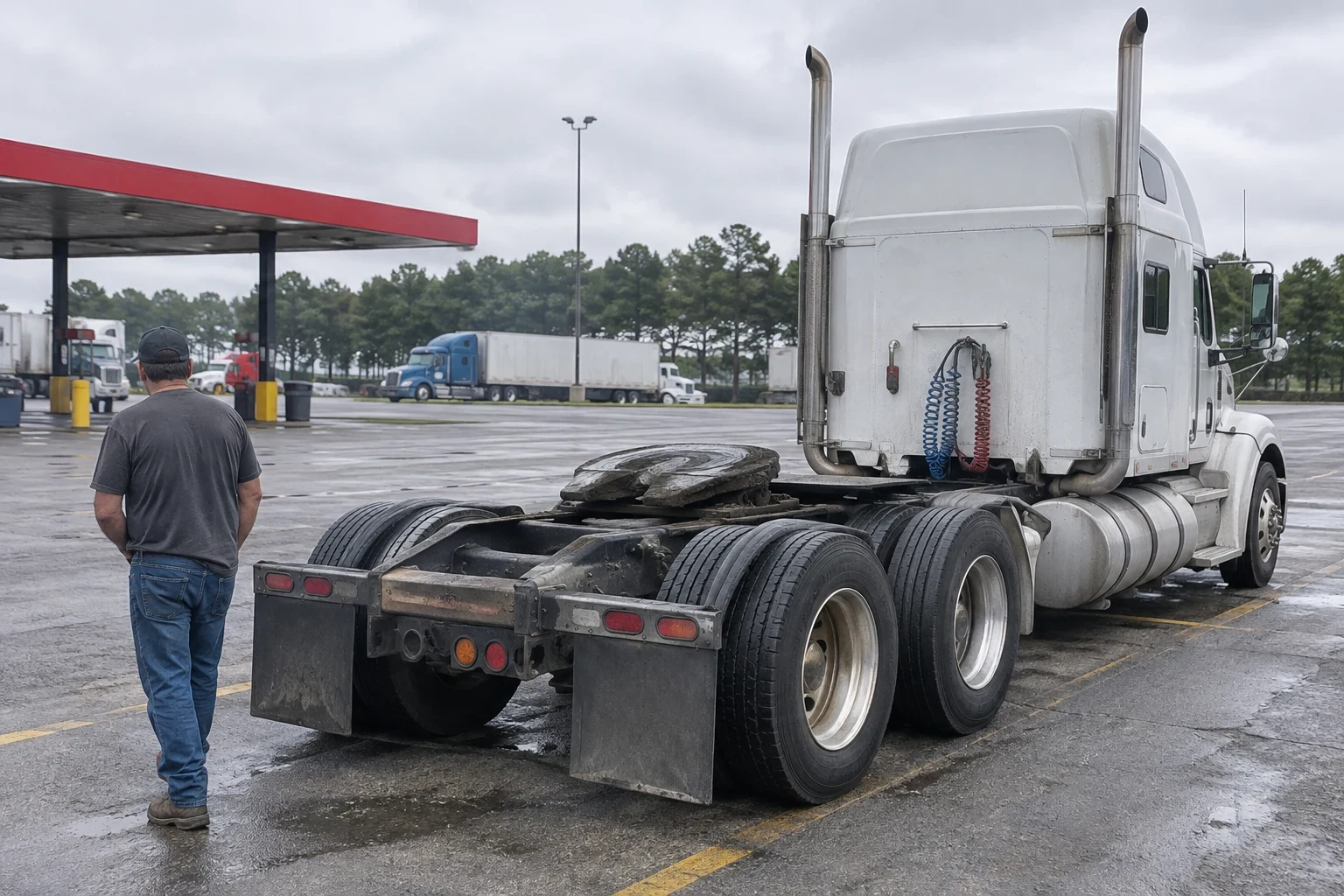
What non-trucking liability actually covers
Non-trucking liability, often called bobtail insurance, pays for injuries or property damage you cause to others while driving your truck outside of business use. Think of the drive home after you drop a trailer, a trip to the shop for new tires, or running to get lunch on a day off. Your carrier's primary auto liability is built for loads and dispatched miles. This policy is built for the rest.
It's a narrow policy, and that's the point. It does not repair your own truck, it does not cover freight and it does not apply while you're hauling for your carrier. Most of the confusion we hear comes from those boundaries, so we explain them in plain words before you sign anything.
We're licensed for property and casualty insurance, and we work with owner-operators by phone, by video or at our office. Many of the drivers we talk with run out of Austell, Mableton and Douglasville, though the coverage follows your truck wherever you drive it off duty.
What we handle for you
- A read of your lease agreement
- Your carrier's lease spells out what they cover and what they expect you to carry. We go through it with you so the policy matches their wording, including any minimum limits.
- Quotes sized to your operation
- We look at the truck you run, where it's parked and how you use it off dispatch. Then we show you the options side by side so you can see what each one covers.
- Certificate of insurance for your carrier
- Once coverage is in place, we send the certificate of insurance to your motor carrier, with them listed the way the lease requires. That way your onboarding isn't held up waiting on paperwork.
- Clear lines on what isn't covered
- We tell you up front where this policy ends. If you also need physical damage insurance for your own truck, we'll say so and quote it separately instead of letting you assume it's included.
- Claim guidance if something happens
- If you're in an accident off dispatch, we help you understand what to document and how the claim moves forward. The carrier's adjuster makes the coverage decision, but you won't be left guessing about the next step.
Signs you need bobtail coverage
You just signed a lease
Most carriers require leased owner-operators to carry their own non-trucking liability before the first load. If your lease mentions it, you need it in place before you roll.
You drive the truck home
Parking your rig at your place and driving it in on Monday means personal miles. Those miles usually sit outside your carrier's coverage.
Your carrier asked for a certificate
A request for proof of insurance with the carrier named on it is a clear sign the lease expects this policy. We can get that certificate out once coverage is bound.
You're switching carriers
A new lease can bring new requirements on limits or wording. It's worth checking your current policy against the new agreement before you move.
You're not sure where your coverage stops
If you can't say which policy would respond to a fender bender on your day off, that's the gap we help you sort out.
How getting covered works
- 1
Start with a phone call
Tell us about your truck, your carrier and how you use the rig off duty. Have your lease handy if you can, since it answers a lot of questions quickly.
- 2
We review the requirements
We check the limits and wording your carrier asks for, plus your driving record and garaging location. If something in the lease is unclear, we'll point it out so you can ask your carrier.
- 3
You compare options
We walk you through the quote, explaining what each piece covers and what it costs to change it. You decide; we don't push extras you don't need.
- 4
Coverage and paperwork
Once you choose, we bind the policy and send the certificate of insurance to your carrier. You get copies for your own records and your cab.
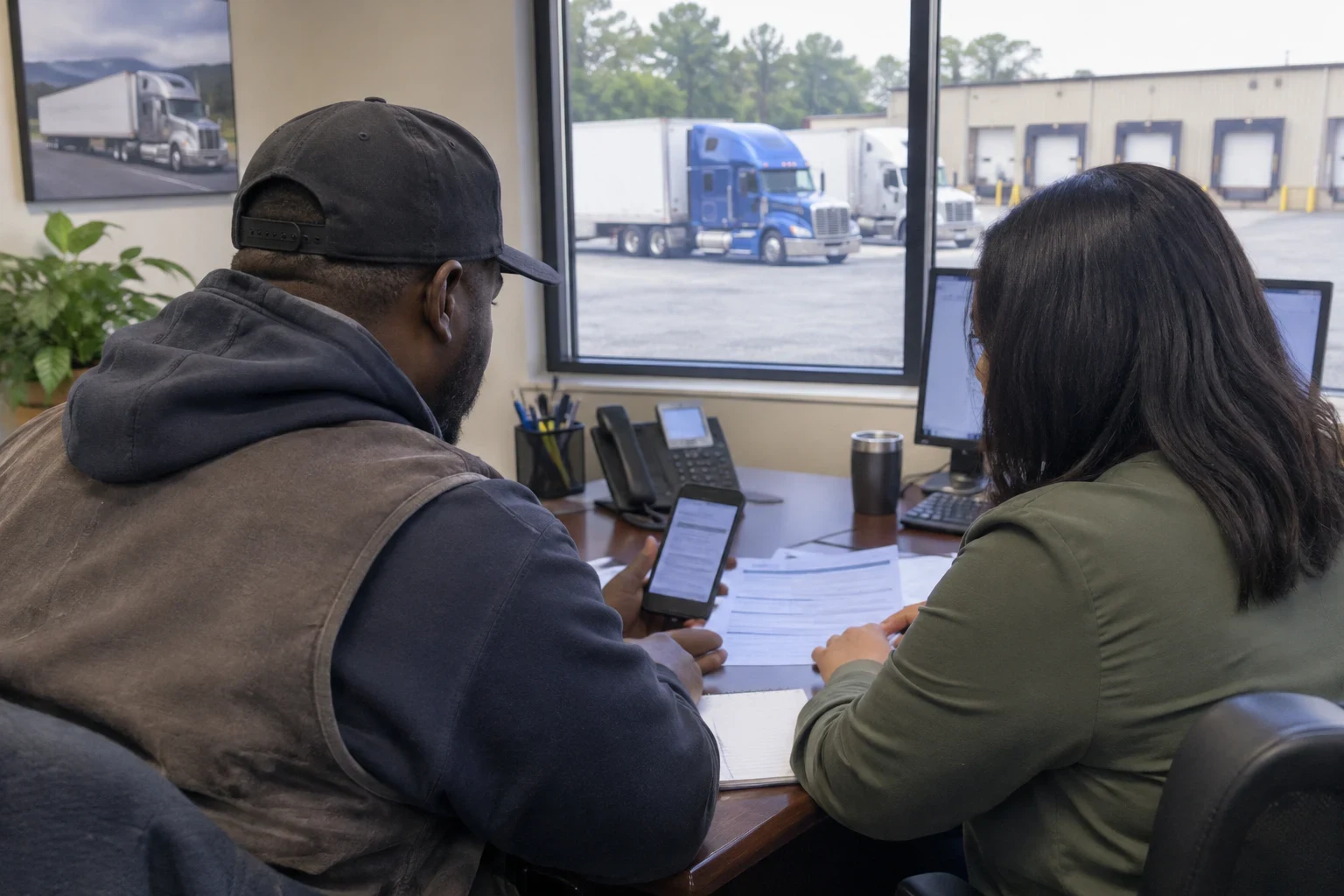
What affects your premium
Bobtail coverage tends to cost less than primary liability because it applies to fewer miles, but the price still depends on you and your truck. We'll explain each factor that shows up in your quote so nothing comes as a surprise.
- Your driving record
- Tickets, accidents and years of CDL experience carry real weight. A clean record usually means a lower premium.
- Limits your lease requires
- Higher liability limits cost more. Many carriers set a minimum, and we make sure you meet it without paying for more than the lease asks.
- Where the truck is garaged
- Insurers price by where the truck sits overnight and the traffic around it. Busier areas can cost more than quieter ones.
- Type of truck
- A tractor, a straight truck and a hotshot pickup are rated differently. Size and weight both play a part.
- Claims history
- Past liability claims can raise the rate. Time without claims helps bring it back down.
Bobtail insurance questions
Something not covered here? (770) 405-1970
Is bobtail insurance the same as non-trucking liability?
People use the names interchangeably, but strictly speaking they can differ. Bobtail technically means driving without a trailer, and some policies cover that even while under dispatch. Non-trucking liability is about personal use, trailer or not. We read the policy wording with you so you know which one you're getting.
Does it cover me if I'm driving to pick up a load?
Usually not. Once you're under dispatch or heading to a pickup, your carrier's primary auto liability is typically the coverage that applies. We'll show you how your specific policy defines business use.
Will it pay to fix my truck after an accident?
No. Non-trucking liability covers damage and injuries you cause to other people. Repairs to your own rig fall under physical damage insurance, which is a separate policy we can quote.
I have my own MC authority. Do I need this?
Generally not. If you run under your own authority, you carry primary liability that covers all your driving. This policy is meant for owner-operators leased onto someone else's authority.
What should I do if I have an accident off dispatch?
Make sure everyone is safe, then take photos of all vehicles, the scene and any damage, and get the other driver's information and a police report number. Call us and we'll explain what the insurer will ask for and how the claim moves. The adjuster decides coverage, but we help you understand each step.
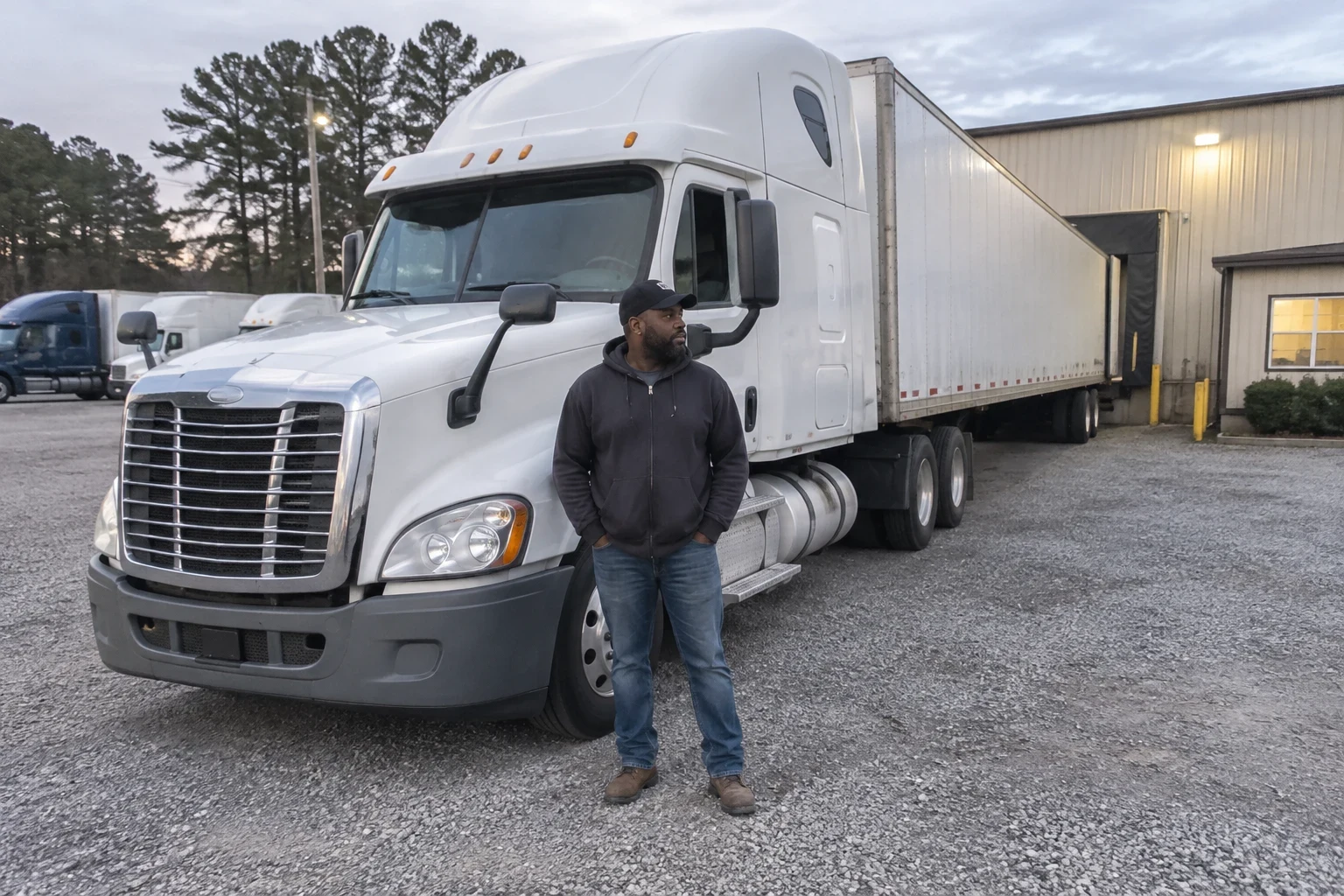
Close the gap in your coverage
Bring your lease agreement and a few details about your truck. We'll go through what your carrier requires and get you a quote by phone.